



Discover More About Holy Trees
Discover More About Holy Trees
Exploring the variety of sacred trees in Southeast Asia can offer a deeply rewarding and illuminating experience.
A wealth of sources provide perspective on the holy trees from Southeast Asia, assessing their physical characteristics, societal importance, and spread.
Learn to identify sacred trees
Varieties of Holy Wood
Learn to identify sacred trees
Varieties of Holy Wood
Faiths incorporating animistic elements inherently hold reverence for trees. Rooted in eco-awareness, this principle posits that trees, forests, rivers, and mountains embody life energy and should be safeguarded and used sustainably.
Faiths incorporating animistic elements inherently hold reverence for trees. Rooted in eco-awareness, this principle posits that trees, forests, rivers, and mountains embody life energy and should be safeguarded and used sustainably.
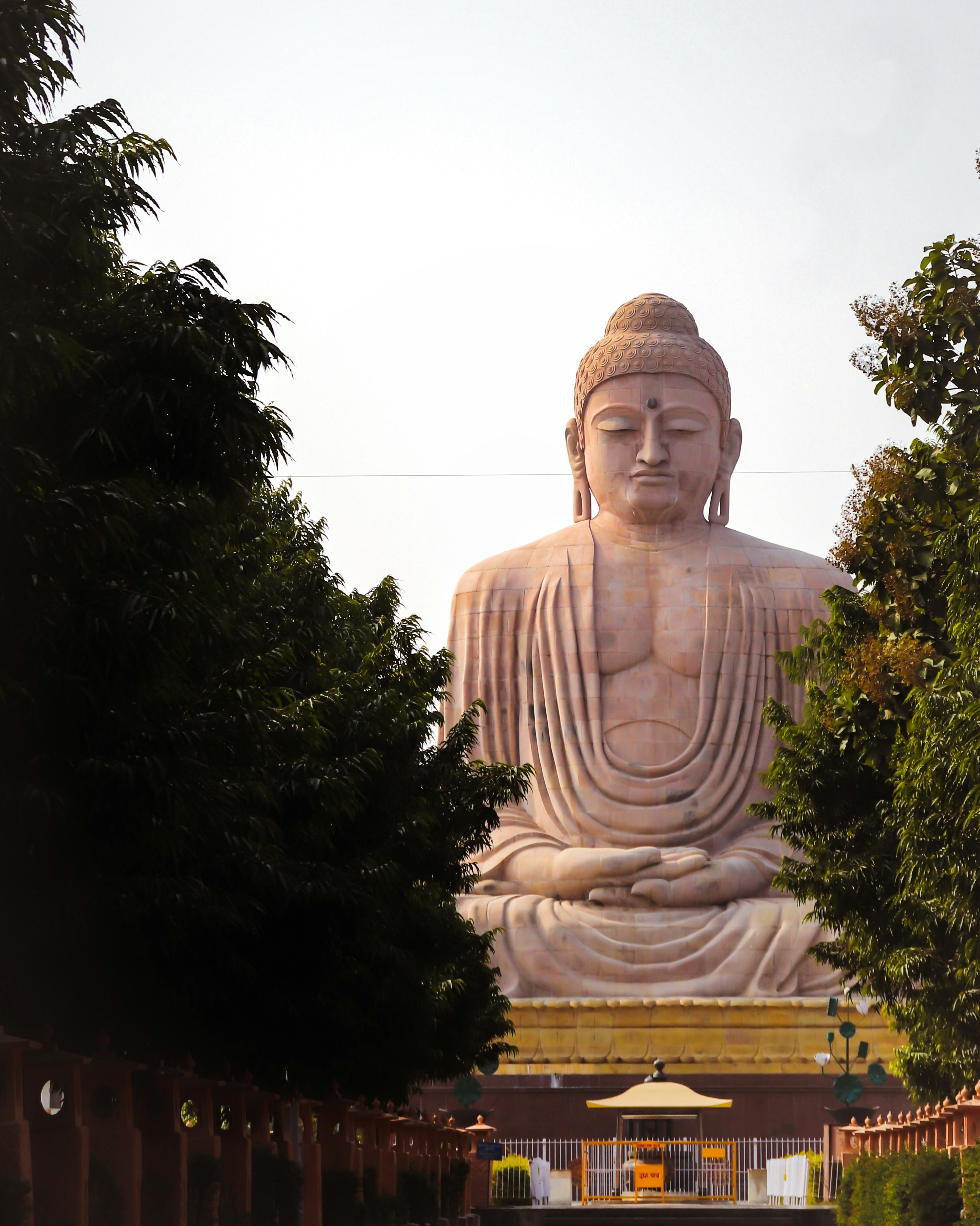
The sacred Bodhi tree, a Ficus religiosa, in Bodh Gaya, India, is an enlightenment site for Buddhists, where Siddhartha Gautama attained enlightenment."
The Banyan tree, native to South Asia, is a large fig tree with unique aerial roots forming new trunks, creating a complex, interconnected network.
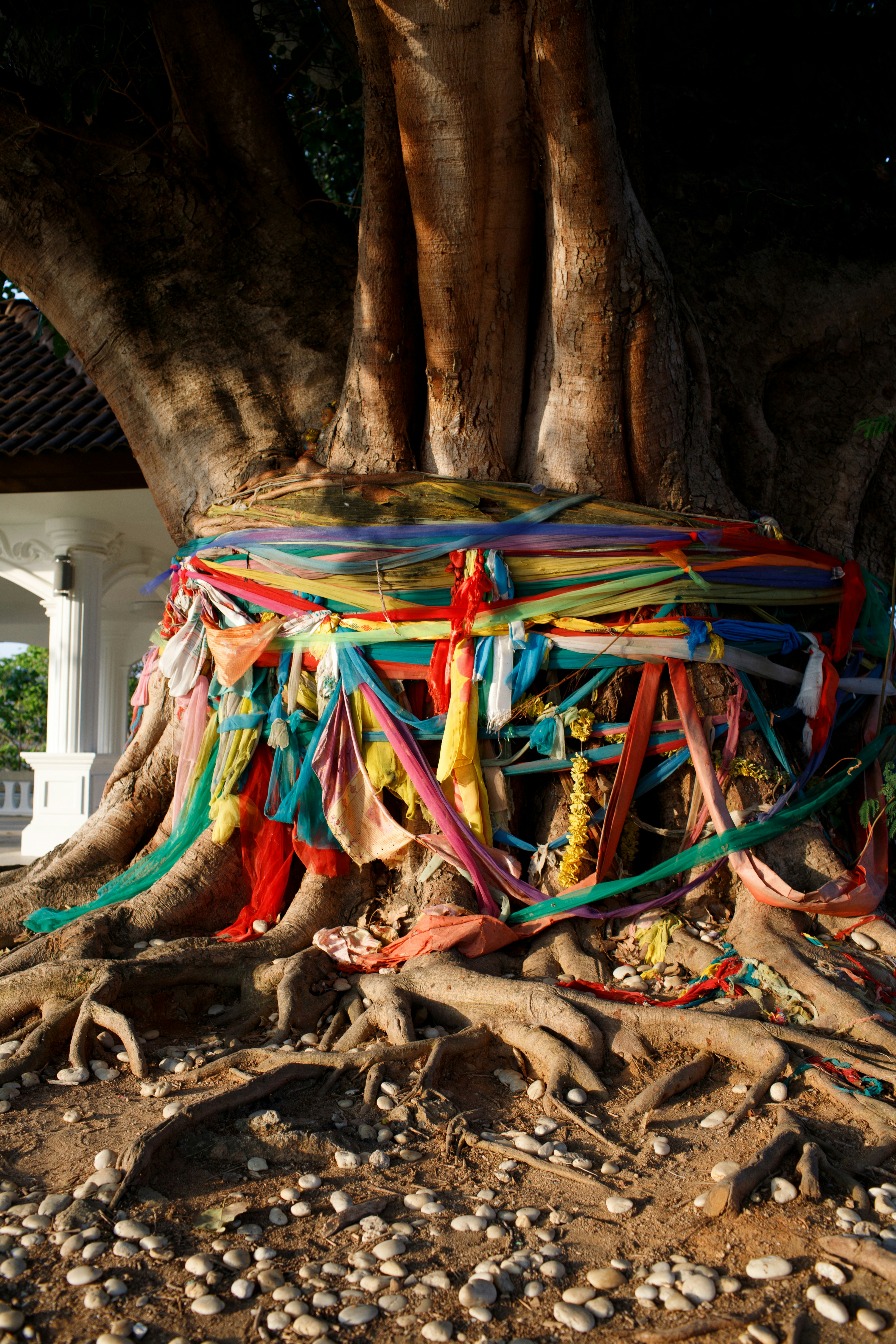
A sacred tree in a Buddhist temple is revered for its association with the Buddha, teachings, or significant events in Buddhist history.
The Pipal tree, or
Ficus religiosa, is a large deciduous tree native to the Indian subcontinent and Southeast Asia, revered in Hinduism, Buddhism, and other South Asian religions.The Neem Tree,
Azadirachta indica, a fast-growing evergreen native to the Indian subcontinent and Southeast Asia, is revered and planted in Indian temples for its symbolic significance of purification and protection.A revered woodland in Southeast Asia is a beloved area safeguarded by indigenous communities for spiritual, cultural, or environmental purposes, especially in regions where conventional animistic and native beliefs are preserved.
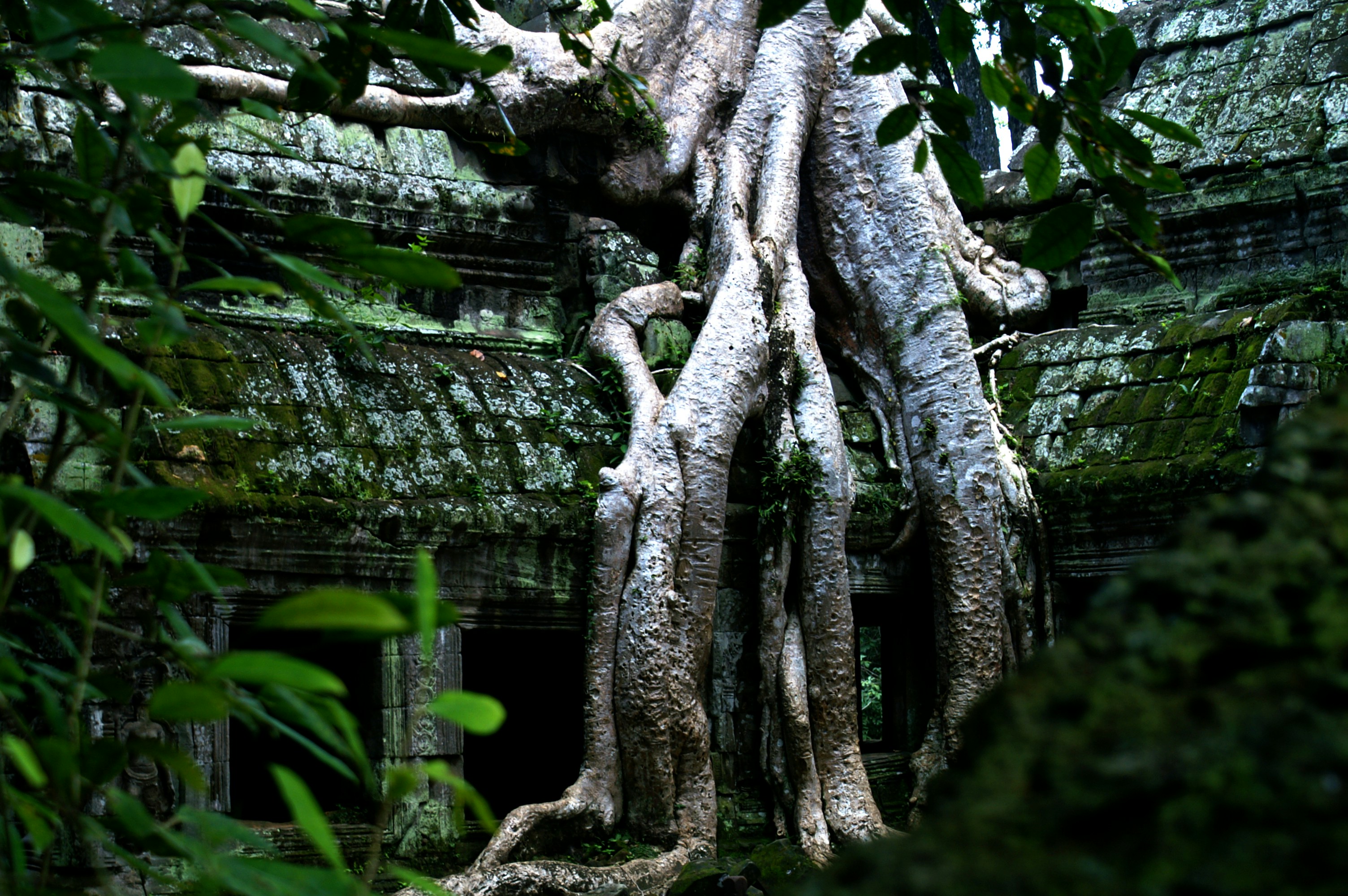
Monumental trees, ancient and entwined with temple ruins, shape a unique landscape. A testament to nature's resilience, they attract tourists and nature enthusiasts, highlighting the interplay of history and environment.
The sacred Bodhi tree, a Ficus religiosa, in Bodh Gaya, India, is an enlightenment site for Buddhists, where Siddhartha Gautama attained enlightenment."
The Banyan tree, native to South Asia, is a large fig tree with unique aerial roots forming new trunks, creating a complex, interconnected network.
A sacred tree in a Buddhist temple is revered for its association with the Buddha, teachings, or significant events in Buddhist history.
The Pipal tree, or
Ficus religiosa, is a large deciduous tree native to the Indian subcontinent and Southeast Asia, revered in Hinduism, Buddhism, and other South Asian religions.The Neem Tree,
Azadirachta indica, a fast-growing evergreen native to the Indian subcontinent and Southeast Asia, is revered and planted in Indian temples for its symbolic significance of purification and protection.A revered woodland in Southeast Asia is a beloved area safeguarded by indigenous communities for spiritual, cultural, or environmental purposes, especially in regions where conventional animistic and native beliefs are preserved.
Monumental trees, ancient and entwined with temple ruins, shape a unique landscape. A testament to nature's resilience, they attract tourists and nature enthusiasts, highlighting the interplay of history and environment.
The sacred Bodhi tree, a Ficus religiosa, in Bodh Gaya, India, is an enlightenment site for Buddhists, where Siddhartha Gautama attained enlightenment."
The Banyan tree, native to South Asia, is a large fig tree with unique aerial roots forming new trunks, creating a complex, interconnected network.
A sacred tree in a Buddhist temple is revered for its association with the Buddha, teachings, or significant events in Buddhist history.
The Pipal tree, or
Ficus religiosa, is a large deciduous tree native to the Indian subcontinent and Southeast Asia, revered in Hinduism, Buddhism, and other South Asian religions.The Neem Tree,
Azadirachta indica, a fast-growing evergreen native to the Indian subcontinent and Southeast Asia, is revered and planted in Indian temples for its symbolic significance of purification and protection.A revered woodland in Southeast Asia is a beloved area safeguarded by indigenous communities for spiritual, cultural, or environmental purposes, especially in regions where conventional animistic and native beliefs are preserved.
Monumental trees, ancient and entwined with temple ruins, shape a unique landscape. A testament to nature's resilience, they attract tourists and nature enthusiasts, highlighting the interplay of history and environment.
The sacred Bodhi tree, a Ficus religiosa, in Bodh Gaya, India, is an enlightenment site for Buddhists, where Siddhartha Gautama attained enlightenment."
The Banyan tree, native to South Asia, is a large fig tree with unique aerial roots forming new trunks, creating a complex, interconnected network.
A sacred tree in a Buddhist temple is revered for its association with the Buddha, teachings, or significant events in Buddhist history.
The Pipal tree, or
Ficus religiosa, is a large deciduous tree native to the Indian subcontinent and Southeast Asia, revered in Hinduism, Buddhism, and other South Asian religions.The Neem Tree,
Azadirachta indica, a fast-growing evergreen native to the Indian subcontinent and Southeast Asia, is revered and planted in Indian temples for its symbolic significance of purification and protection.A revered woodland in Southeast Asia is a beloved area safeguarded by indigenous communities for spiritual, cultural, or environmental purposes, especially in regions where conventional animistic and native beliefs are preserved.
Monumental trees, ancient and entwined with temple ruins, shape a unique landscape. A testament to nature's resilience, they attract tourists and nature enthusiasts, highlighting the interplay of history and environment.
The sacred Bodhi tree, a Ficus religiosa, in Bodh Gaya, India, is an enlightenment site for Buddhists, where Siddhartha Gautama attained enlightenment."
The Banyan tree, native to South Asia, is a large fig tree with unique aerial roots forming new trunks, creating a complex, interconnected network.
A sacred tree in a Buddhist temple is revered for its association with the Buddha, teachings, or significant events in Buddhist history.
The Pipal tree, or
Ficus religiosa, is a large deciduous tree native to the Indian subcontinent and Southeast Asia, revered in Hinduism, Buddhism, and other South Asian religions.The Neem Tree,
Azadirachta indica, a fast-growing evergreen native to the Indian subcontinent and Southeast Asia, is revered and planted in Indian temples for its symbolic significance of purification and protection.A revered woodland in Southeast Asia is a beloved area safeguarded by indigenous communities for spiritual, cultural, or environmental purposes, especially in regions where conventional animistic and native beliefs are preserved.
Monumental trees, ancient and entwined with temple ruins, shape a unique landscape. A testament to nature's resilience, they attract tourists and nature enthusiasts, highlighting the interplay of history and environment.
The sacred Bodhi tree, a Ficus religiosa, in Bodh Gaya, India, is an enlightenment site for Buddhists, where Siddhartha Gautama attained enlightenment."
The Banyan tree, native to South Asia, is a large fig tree with unique aerial roots forming new trunks, creating a complex, interconnected network.
A sacred tree in a Buddhist temple is revered for its association with the Buddha, teachings, or significant events in Buddhist history.
The Pipal tree, or
Ficus religiosa, is a large deciduous tree native to the Indian subcontinent and Southeast Asia, revered in Hinduism, Buddhism, and other South Asian religions.The Neem Tree,
Azadirachta indica, a fast-growing evergreen native to the Indian subcontinent and Southeast Asia, is revered and planted in Indian temples for its symbolic significance of purification and protection.A revered woodland in Southeast Asia is a beloved area safeguarded by indigenous communities for spiritual, cultural, or environmental purposes, especially in regions where conventional animistic and native beliefs are preserved.
Monumental trees, ancient and entwined with temple ruins, shape a unique landscape. A testament to nature's resilience, they attract tourists and nature enthusiasts, highlighting the interplay of history and environment.
The sacred Bodhi tree, a Ficus religiosa, in Bodh Gaya, India, is an enlightenment site for Buddhists, where Siddhartha Gautama attained enlightenment."
The Banyan tree, native to South Asia, is a large fig tree with unique aerial roots forming new trunks, creating a complex, interconnected network.
A sacred tree in a Buddhist temple is revered for its association with the Buddha, teachings, or significant events in Buddhist history.
The Pipal tree, or
Ficus religiosa, is a large deciduous tree native to the Indian subcontinent and Southeast Asia, revered in Hinduism, Buddhism, and other South Asian religions.The Neem Tree,
Azadirachta indica, a fast-growing evergreen native to the Indian subcontinent and Southeast Asia, is revered and planted in Indian temples for its symbolic significance of purification and protection.A revered woodland in Southeast Asia is a beloved area safeguarded by indigenous communities for spiritual, cultural, or environmental purposes, especially in regions where conventional animistic and native beliefs are preserved.
Monumental trees, ancient and entwined with temple ruins, shape a unique landscape. A testament to nature's resilience, they attract tourists and nature enthusiasts, highlighting the interplay of history and environment.
The sacred Bodhi tree, a Ficus religiosa, in Bodh Gaya, India, is an enlightenment site for Buddhists, where Siddhartha Gautama attained enlightenment."
The Banyan tree, native to South Asia, is a large fig tree with unique aerial roots forming new trunks, creating a complex, interconnected network.
A sacred tree in a Buddhist temple is revered for its association with the Buddha, teachings, or significant events in Buddhist history.
The Pipal tree, or
Ficus religiosa, is a large deciduous tree native to the Indian subcontinent and Southeast Asia, revered in Hinduism, Buddhism, and other South Asian religions.The Neem Tree,
Azadirachta indica, a fast-growing evergreen native to the Indian subcontinent and Southeast Asia, is revered and planted in Indian temples for its symbolic significance of purification and protection.A revered woodland in Southeast Asia is a beloved area safeguarded by indigenous communities for spiritual, cultural, or environmental purposes, especially in regions where conventional animistic and native beliefs are preserved.
Monumental trees, ancient and entwined with temple ruins, shape a unique landscape. A testament to nature's resilience, they attract tourists and nature enthusiasts, highlighting the interplay of history and environment.
The sacred Bodhi tree, a Ficus religiosa, in Bodh Gaya, India, is an enlightenment site for Buddhists, where Siddhartha Gautama attained enlightenment."
The Banyan tree, native to South Asia, is a large fig tree with unique aerial roots forming new trunks, creating a complex, interconnected network.
A sacred tree in a Buddhist temple is revered for its association with the Buddha, teachings, or significant events in Buddhist history.
The Pipal tree, or
Ficus religiosa, is a large deciduous tree native to the Indian subcontinent and Southeast Asia, revered in Hinduism, Buddhism, and other South Asian religions.The Neem Tree,
Azadirachta indica, a fast-growing evergreen native to the Indian subcontinent and Southeast Asia, is revered and planted in Indian temples for its symbolic significance of purification and protection.A revered woodland in Southeast Asia is a beloved area safeguarded by indigenous communities for spiritual, cultural, or environmental purposes, especially in regions where conventional animistic and native beliefs are preserved.
Monumental trees, ancient and entwined with temple ruins, shape a unique landscape. A testament to nature's resilience, they attract tourists and nature enthusiasts, highlighting the interplay of history and environment.
The sacred Bodhi tree, a Ficus religiosa, in Bodh Gaya, India, is an enlightenment site for Buddhists, where Siddhartha Gautama attained enlightenment."
The Banyan tree, native to South Asia, is a large fig tree with unique aerial roots forming new trunks, creating a complex, interconnected network.
A sacred tree in a Buddhist temple is revered for its association with the Buddha, teachings, or significant events in Buddhist history.
The Pipal tree, or
Ficus religiosa, is a large deciduous tree native to the Indian subcontinent and Southeast Asia, revered in Hinduism, Buddhism, and other South Asian religions.The Neem Tree,
Azadirachta indica, a fast-growing evergreen native to the Indian subcontinent and Southeast Asia, is revered and planted in Indian temples for its symbolic significance of purification and protection.A revered woodland in Southeast Asia is a beloved area safeguarded by indigenous communities for spiritual, cultural, or environmental purposes, especially in regions where conventional animistic and native beliefs are preserved.
Monumental trees, ancient and entwined with temple ruins, shape a unique landscape. A testament to nature's resilience, they attract tourists and nature enthusiasts, highlighting the interplay of history and environment.
The sacred Bodhi tree, a Ficus religiosa, in Bodh Gaya, India, is an enlightenment site for Buddhists, where Siddhartha Gautama attained enlightenment."
The Banyan tree, native to South Asia, is a large fig tree with unique aerial roots forming new trunks, creating a complex, interconnected network.
A sacred tree in a Buddhist temple is revered for its association with the Buddha, teachings, or significant events in Buddhist history.
The Pipal tree, or
Ficus religiosa, is a large deciduous tree native to the Indian subcontinent and Southeast Asia, revered in Hinduism, Buddhism, and other South Asian religions.The Neem Tree,
Azadirachta indica, a fast-growing evergreen native to the Indian subcontinent and Southeast Asia, is revered and planted in Indian temples for its symbolic significance of purification and protection.A revered woodland in Southeast Asia is a beloved area safeguarded by indigenous communities for spiritual, cultural, or environmental purposes, especially in regions where conventional animistic and native beliefs are preserved.
Monumental trees, ancient and entwined with temple ruins, shape a unique landscape. A testament to nature's resilience, they attract tourists and nature enthusiasts, highlighting the interplay of history and environment.
The sacred Bodhi tree, a Ficus religiosa, in Bodh Gaya, India, is an enlightenment site for Buddhists, where Siddhartha Gautama attained enlightenment."
The Banyan tree, native to South Asia, is a large fig tree with unique aerial roots forming new trunks, creating a complex, interconnected network.
A sacred tree in a Buddhist temple is revered for its association with the Buddha, teachings, or significant events in Buddhist history.
The Pipal tree, or
Ficus religiosa, is a large deciduous tree native to the Indian subcontinent and Southeast Asia, revered in Hinduism, Buddhism, and other South Asian religions.The Neem Tree,
Azadirachta indica, a fast-growing evergreen native to the Indian subcontinent and Southeast Asia, is revered and planted in Indian temples for its symbolic significance of purification and protection.A revered woodland in Southeast Asia is a beloved area safeguarded by indigenous communities for spiritual, cultural, or environmental purposes, especially in regions where conventional animistic and native beliefs are preserved.
Monumental trees, ancient and entwined with temple ruins, shape a unique landscape. A testament to nature's resilience, they attract tourists and nature enthusiasts, highlighting the interplay of history and environment.
The sacred Bodhi tree, a Ficus religiosa, in Bodh Gaya, India, is an enlightenment site for Buddhists, where Siddhartha Gautama attained enlightenment."
The Banyan tree, native to South Asia, is a large fig tree with unique aerial roots forming new trunks, creating a complex, interconnected network.
A sacred tree in a Buddhist temple is revered for its association with the Buddha, teachings, or significant events in Buddhist history.
The Pipal tree, or
Ficus religiosa, is a large deciduous tree native to the Indian subcontinent and Southeast Asia, revered in Hinduism, Buddhism, and other South Asian religions.The Neem Tree,
Azadirachta indica, a fast-growing evergreen native to the Indian subcontinent and Southeast Asia, is revered and planted in Indian temples for its symbolic significance of purification and protection.A revered woodland in Southeast Asia is a beloved area safeguarded by indigenous communities for spiritual, cultural, or environmental purposes, especially in regions where conventional animistic and native beliefs are preserved.
Monumental trees, ancient and entwined with temple ruins, shape a unique landscape. A testament to nature's resilience, they attract tourists and nature enthusiasts, highlighting the interplay of history and environment.
The sacred Bodhi tree, a Ficus religiosa, in Bodh Gaya, India, is an enlightenment site for Buddhists, where Siddhartha Gautama attained enlightenment."
The Banyan tree, native to South Asia, is a large fig tree with unique aerial roots forming new trunks, creating a complex, interconnected network.
A sacred tree in a Buddhist temple is revered for its association with the Buddha, teachings, or significant events in Buddhist history.
The Pipal tree, or
Ficus religiosa, is a large deciduous tree native to the Indian subcontinent and Southeast Asia, revered in Hinduism, Buddhism, and other South Asian religions.The Neem Tree,
Azadirachta indica, a fast-growing evergreen native to the Indian subcontinent and Southeast Asia, is revered and planted in Indian temples for its symbolic significance of purification and protection.A revered woodland in Southeast Asia is a beloved area safeguarded by indigenous communities for spiritual, cultural, or environmental purposes, especially in regions where conventional animistic and native beliefs are preserved.
Monumental trees, ancient and entwined with temple ruins, shape a unique landscape. A testament to nature's resilience, they attract tourists and nature enthusiasts, highlighting the interplay of history and environment.
The sacred Bodhi tree, a Ficus religiosa, in Bodh Gaya, India, is an enlightenment site for Buddhists, where Siddhartha Gautama attained enlightenment."
The Banyan tree, native to South Asia, is a large fig tree with unique aerial roots forming new trunks, creating a complex, interconnected network.
A sacred tree in a Buddhist temple is revered for its association with the Buddha, teachings, or significant events in Buddhist history.
The Pipal tree, or
Ficus religiosa, is a large deciduous tree native to the Indian subcontinent and Southeast Asia, revered in Hinduism, Buddhism, and other South Asian religions.The Neem Tree,
Azadirachta indica, a fast-growing evergreen native to the Indian subcontinent and Southeast Asia, is revered and planted in Indian temples for its symbolic significance of purification and protection.A revered woodland in Southeast Asia is a beloved area safeguarded by indigenous communities for spiritual, cultural, or environmental purposes, especially in regions where conventional animistic and native beliefs are preserved.
Monumental trees, ancient and entwined with temple ruins, shape a unique landscape. A testament to nature's resilience, they attract tourists and nature enthusiasts, highlighting the interplay of history and environment.
The sacred Bodhi tree, a Ficus religiosa, in Bodh Gaya, India, is an enlightenment site for Buddhists, where Siddhartha Gautama attained enlightenment."
The Banyan tree, native to South Asia, is a large fig tree with unique aerial roots forming new trunks, creating a complex, interconnected network.
A sacred tree in a Buddhist temple is revered for its association with the Buddha, teachings, or significant events in Buddhist history.
The Pipal tree, or
Ficus religiosa, is a large deciduous tree native to the Indian subcontinent and Southeast Asia, revered in Hinduism, Buddhism, and other South Asian religions.The Neem Tree,
Azadirachta indica, a fast-growing evergreen native to the Indian subcontinent and Southeast Asia, is revered and planted in Indian temples for its symbolic significance of purification and protection.A revered woodland in Southeast Asia is a beloved area safeguarded by indigenous communities for spiritual, cultural, or environmental purposes, especially in regions where conventional animistic and native beliefs are preserved.
Monumental trees, ancient and entwined with temple ruins, shape a unique landscape. A testament to nature's resilience, they attract tourists and nature enthusiasts, highlighting the interplay of history and environment.
The sacred Bodhi tree, a Ficus religiosa, in Bodh Gaya, India, is an enlightenment site for Buddhists, where Siddhartha Gautama attained enlightenment."
The Banyan tree, native to South Asia, is a large fig tree with unique aerial roots forming new trunks, creating a complex, interconnected network.
A sacred tree in a Buddhist temple is revered for its association with the Buddha, teachings, or significant events in Buddhist history.
The Pipal tree, or
Ficus religiosa, is a large deciduous tree native to the Indian subcontinent and Southeast Asia, revered in Hinduism, Buddhism, and other South Asian religions.The Neem Tree,
Azadirachta indica, a fast-growing evergreen native to the Indian subcontinent and Southeast Asia, is revered and planted in Indian temples for its symbolic significance of purification and protection.A revered woodland in Southeast Asia is a beloved area safeguarded by indigenous communities for spiritual, cultural, or environmental purposes, especially in regions where conventional animistic and native beliefs are preserved.
Monumental trees, ancient and entwined with temple ruins, shape a unique landscape. A testament to nature's resilience, they attract tourists and nature enthusiasts, highlighting the interplay of history and environment.
The sacred Bodhi tree, a Ficus religiosa, in Bodh Gaya, India, is an enlightenment site for Buddhists, where Siddhartha Gautama attained enlightenment."
The Banyan tree, native to South Asia, is a large fig tree with unique aerial roots forming new trunks, creating a complex, interconnected network.
A sacred tree in a Buddhist temple is revered for its association with the Buddha, teachings, or significant events in Buddhist history.
The Pipal tree, or
Ficus religiosa, is a large deciduous tree native to the Indian subcontinent and Southeast Asia, revered in Hinduism, Buddhism, and other South Asian religions.The Neem Tree,
Azadirachta indica, a fast-growing evergreen native to the Indian subcontinent and Southeast Asia, is revered and planted in Indian temples for its symbolic significance of purification and protection.A revered woodland in Southeast Asia is a beloved area safeguarded by indigenous communities for spiritual, cultural, or environmental purposes, especially in regions where conventional animistic and native beliefs are preserved.
Monumental trees, ancient and entwined with temple ruins, shape a unique landscape. A testament to nature's resilience, they attract tourists and nature enthusiasts, highlighting the interplay of history and environment.
The sacred Bodhi tree, a Ficus religiosa, in Bodh Gaya, India, is an enlightenment site for Buddhists, where Siddhartha Gautama attained enlightenment."
The Banyan tree, native to South Asia, is a large fig tree with unique aerial roots forming new trunks, creating a complex, interconnected network.
A sacred tree in a Buddhist temple is revered for its association with the Buddha, teachings, or significant events in Buddhist history.
The Pipal tree, or
Ficus religiosa, is a large deciduous tree native to the Indian subcontinent and Southeast Asia, revered in Hinduism, Buddhism, and other South Asian religions.The Neem Tree,
Azadirachta indica, a fast-growing evergreen native to the Indian subcontinent and Southeast Asia, is revered and planted in Indian temples for its symbolic significance of purification and protection.A revered woodland in Southeast Asia is a beloved area safeguarded by indigenous communities for spiritual, cultural, or environmental purposes, especially in regions where conventional animistic and native beliefs are preserved.
Monumental trees, ancient and entwined with temple ruins, shape a unique landscape. A testament to nature's resilience, they attract tourists and nature enthusiasts, highlighting the interplay of history and environment.
The sacred Bodhi tree, a Ficus religiosa, in Bodh Gaya, India, is an enlightenment site for Buddhists, where Siddhartha Gautama attained enlightenment."
The Banyan tree, native to South Asia, is a large fig tree with unique aerial roots forming new trunks, creating a complex, interconnected network.
A sacred tree in a Buddhist temple is revered for its association with the Buddha, teachings, or significant events in Buddhist history.
The Pipal tree, or
Ficus religiosa, is a large deciduous tree native to the Indian subcontinent and Southeast Asia, revered in Hinduism, Buddhism, and other South Asian religions.The Neem Tree,
Azadirachta indica, a fast-growing evergreen native to the Indian subcontinent and Southeast Asia, is revered and planted in Indian temples for its symbolic significance of purification and protection.A revered woodland in Southeast Asia is a beloved area safeguarded by indigenous communities for spiritual, cultural, or environmental purposes, especially in regions where conventional animistic and native beliefs are preserved.
Monumental trees, ancient and entwined with temple ruins, shape a unique landscape. A testament to nature's resilience, they attract tourists and nature enthusiasts, highlighting the interplay of history and environment.
The sacred Bodhi tree, a Ficus religiosa, in Bodh Gaya, India, is an enlightenment site for Buddhists, where Siddhartha Gautama attained enlightenment."
The Banyan tree, native to South Asia, is a large fig tree with unique aerial roots forming new trunks, creating a complex, interconnected network.
A sacred tree in a Buddhist temple is revered for its association with the Buddha, teachings, or significant events in Buddhist history.
The Pipal tree, or
Ficus religiosa, is a large deciduous tree native to the Indian subcontinent and Southeast Asia, revered in Hinduism, Buddhism, and other South Asian religions.The Neem Tree,
Azadirachta indica, a fast-growing evergreen native to the Indian subcontinent and Southeast Asia, is revered and planted in Indian temples for its symbolic significance of purification and protection.A revered woodland in Southeast Asia is a beloved area safeguarded by indigenous communities for spiritual, cultural, or environmental purposes, especially in regions where conventional animistic and native beliefs are preserved.
Monumental trees, ancient and entwined with temple ruins, shape a unique landscape. A testament to nature's resilience, they attract tourists and nature enthusiasts, highlighting the interplay of history and environment.
The sacred Bodhi tree, a Ficus religiosa, in Bodh Gaya, India, is an enlightenment site for Buddhists, where Siddhartha Gautama attained enlightenment."
The Banyan tree, native to South Asia, is a large fig tree with unique aerial roots forming new trunks, creating a complex, interconnected network.
A sacred tree in a Buddhist temple is revered for its association with the Buddha, teachings, or significant events in Buddhist history.
The Pipal tree, or
Ficus religiosa, is a large deciduous tree native to the Indian subcontinent and Southeast Asia, revered in Hinduism, Buddhism, and other South Asian religions.The Neem Tree,
Azadirachta indica, a fast-growing evergreen native to the Indian subcontinent and Southeast Asia, is revered and planted in Indian temples for its symbolic significance of purification and protection.A revered woodland in Southeast Asia is a beloved area safeguarded by indigenous communities for spiritual, cultural, or environmental purposes, especially in regions where conventional animistic and native beliefs are preserved.
Monumental trees, ancient and entwined with temple ruins, shape a unique landscape. A testament to nature's resilience, they attract tourists and nature enthusiasts, highlighting the interplay of history and environment.
The sacred Bodhi tree, a Ficus religiosa, in Bodh Gaya, India, is an enlightenment site for Buddhists, where Siddhartha Gautama attained enlightenment."
The Banyan tree, native to South Asia, is a large fig tree with unique aerial roots forming new trunks, creating a complex, interconnected network.
A sacred tree in a Buddhist temple is revered for its association with the Buddha, teachings, or significant events in Buddhist history.
The Pipal tree, or
Ficus religiosa, is a large deciduous tree native to the Indian subcontinent and Southeast Asia, revered in Hinduism, Buddhism, and other South Asian religions.The Neem Tree,
Azadirachta indica, a fast-growing evergreen native to the Indian subcontinent and Southeast Asia, is revered and planted in Indian temples for its symbolic significance of purification and protection.A revered woodland in Southeast Asia is a beloved area safeguarded by indigenous communities for spiritual, cultural, or environmental purposes, especially in regions where conventional animistic and native beliefs are preserved.
Monumental trees, ancient and entwined with temple ruins, shape a unique landscape. A testament to nature's resilience, they attract tourists and nature enthusiasts, highlighting the interplay of history and environment.
The sacred Bodhi tree, a Ficus religiosa, in Bodh Gaya, India, is an enlightenment site for Buddhists, where Siddhartha Gautama attained enlightenment."
The Banyan tree, native to South Asia, is a large fig tree with unique aerial roots forming new trunks, creating a complex, interconnected network.
A sacred tree in a Buddhist temple is revered for its association with the Buddha, teachings, or significant events in Buddhist history.
The Pipal tree, or
Ficus religiosa, is a large deciduous tree native to the Indian subcontinent and Southeast Asia, revered in Hinduism, Buddhism, and other South Asian religions.The Neem Tree,
Azadirachta indica, a fast-growing evergreen native to the Indian subcontinent and Southeast Asia, is revered and planted in Indian temples for its symbolic significance of purification and protection.A revered woodland in Southeast Asia is a beloved area safeguarded by indigenous communities for spiritual, cultural, or environmental purposes, especially in regions where conventional animistic and native beliefs are preserved.
Monumental trees, ancient and entwined with temple ruins, shape a unique landscape. A testament to nature's resilience, they attract tourists and nature enthusiasts, highlighting the interplay of history and environment.
intervention is possible
Religion and biodiversity conservation: not a mere analogy
Preserving holy trees is crucial for maintaining their cultural, ecological, and spiritual importance. Consider implementing these measures to protect these essential assets:
Develop community-based conservation programs:
Working with local communities to develop conservation programs that are tailored to the specific needs and beliefs of each community can be an effective way to conserve sacred trees.
Such programs can include tree planting, natural resource management, and education and outreach.
Establish protected areas:
Protected areas can help to conserve sacred trees and the ecosystems they support.
These areas can be managed for conservation and cultural heritage purposes and can help to prevent damage or destruction of the trees.
Conduct research and monitoring:
Research on the ecology and cultural significance of sacred trees can help to identify conservation priorities and inform management strategies. Monitoring of the health and condition of sacred trees can also help to detect and address threats to their survival.
Develop sustainable livelihoods:
Developing sustainable livelihoods for local communities can help to reduce pressure on sacred trees and the ecosystems they support. By providing alternative sources of income and livelihood, such as agroforestry or eco-tourism, the need to exploit or damage sacred trees can be reduced.
Promote education and awareness:
Education and awareness programs can help to raise awareness of the cultural, ecological, and spiritual value of sacred trees, and can help to foster a sense of ownership and responsibility among local communities and the broader public.
These interventions can help to conserve sacred trees and the important cultural and ecological values they represent.
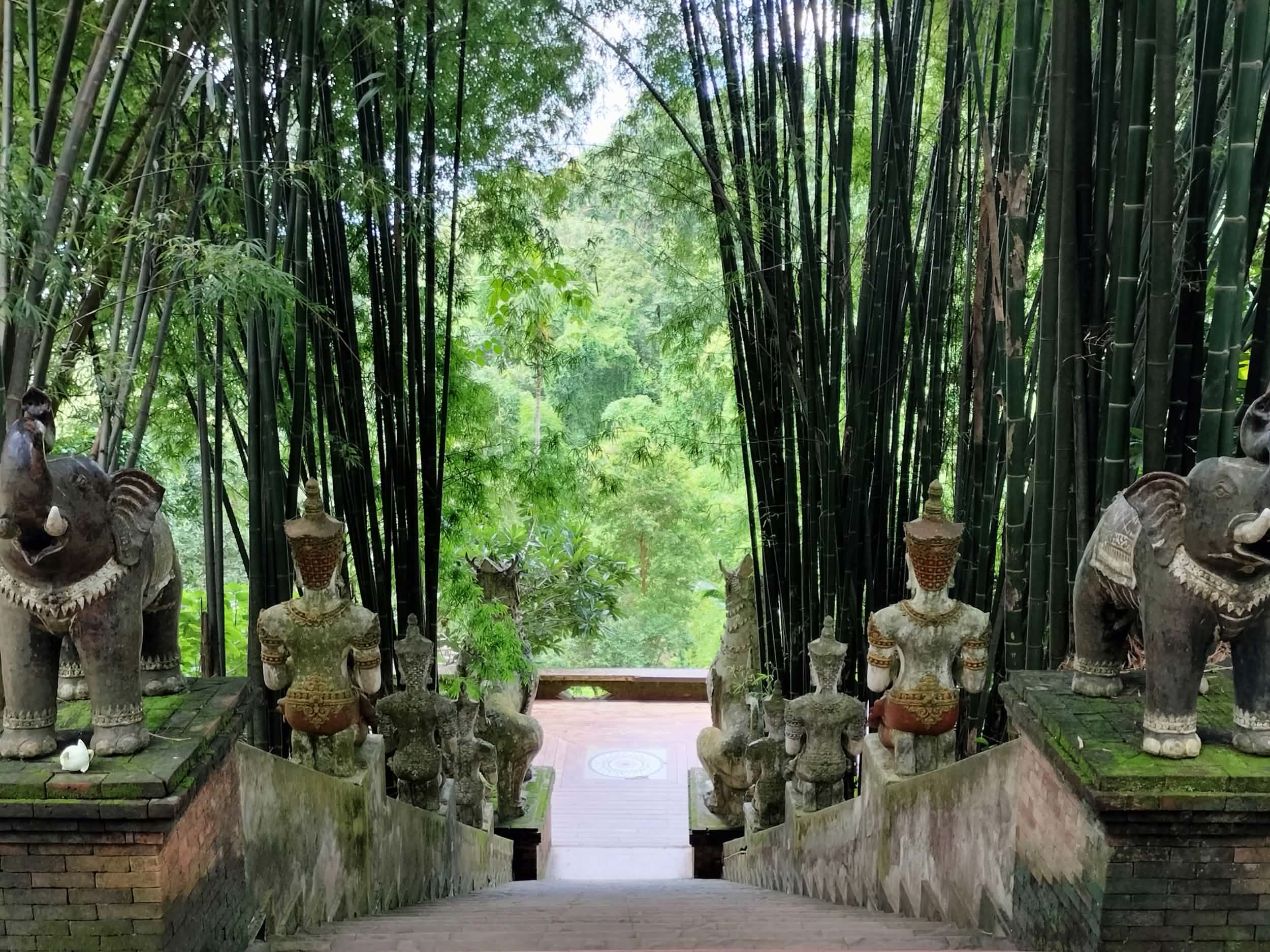
sacred Bamboo Forest in asia
A sacred bamboo forest is a type of bamboo forest that is considered sacred or holy by certain religious or cultural groups. These forests are often associated with spiritual or religious practices and beliefs, and may be regarded as sites of pilgrimage or contemplation.
sacred Bamboo Forest in asia
A sacred bamboo forest is a type of bamboo forest that is considered sacred or holy by certain religious or cultural groups. These forests are often associated with spiritual or religious practices and beliefs, and may be regarded as sites of pilgrimage or contemplation.
sacred Bamboo Forest in asia
A sacred bamboo forest is a type of bamboo forest that is considered sacred or holy by certain religious or cultural groups. These forests are often associated with spiritual or religious practices and beliefs, and may be regarded as sites of pilgrimage or contemplation.
sacred Bamboo Forest in asia
A sacred bamboo forest is a type of bamboo forest that is considered sacred or holy by certain religious or cultural groups. These forests are often associated with spiritual or religious practices and beliefs, and may be regarded as sites of pilgrimage or contemplation.
sacred Bamboo Forest in asia
A sacred bamboo forest is a type of bamboo forest that is considered sacred or holy by certain religious or cultural groups. These forests are often associated with spiritual or religious practices and beliefs, and may be regarded as sites of pilgrimage or contemplation.
sacred Bamboo Forest in asia
A sacred bamboo forest is a type of bamboo forest that is considered sacred or holy by certain religious or cultural groups. These forests are often associated with spiritual or religious practices and beliefs, and may be regarded as sites of pilgrimage or contemplation.
REMARKS, DATA, EVENTS & ADDITIONAL
Holy Groves, Sacred Sites:
Updates, Articles, Happenings & Publications from globally.
Immerse in local mythology, embark on journeys to sacred sites, interact with regional experts, and explore literature and online resources highlighting the spiritual and social importance of trees. Uncover the rich tapestry of wisdom preserved in our records.
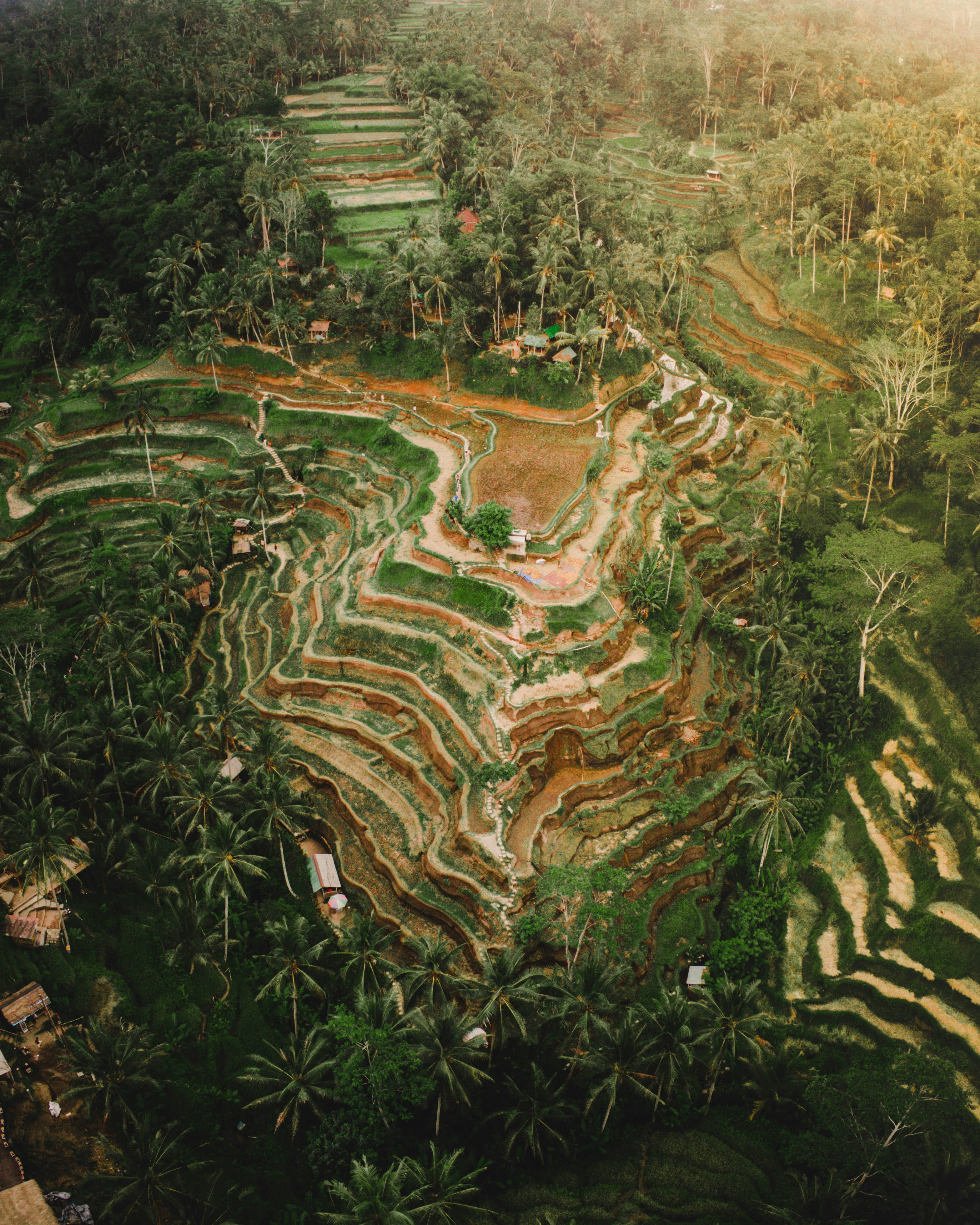




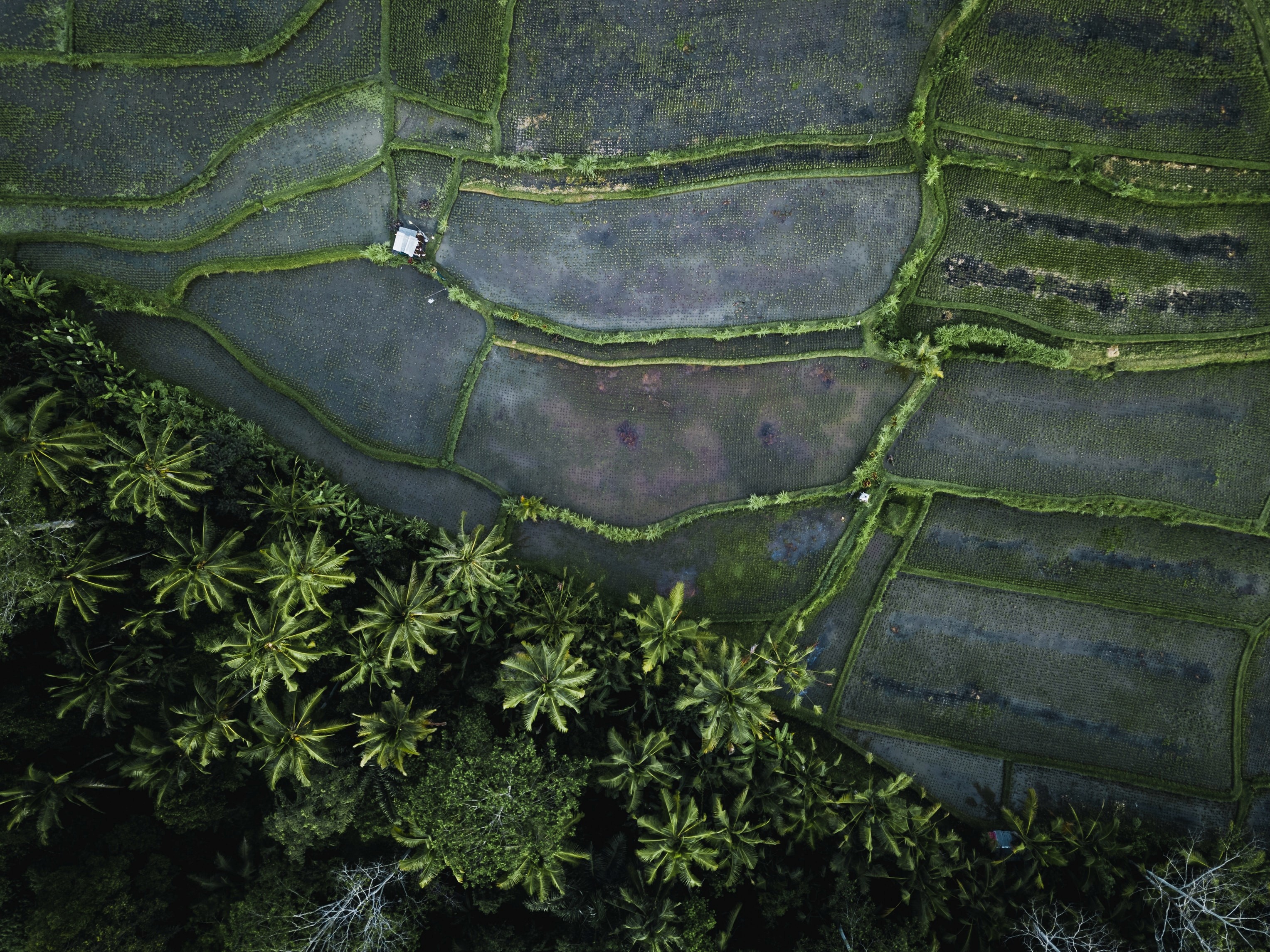
cultural landscape in Bali
Balinese Cultural Landscape: A harmonious blend of terraced rice paddies, sacred temples, and traditional water systems, reflecting the island's unique philosophy of Tri Hita Karana – a seamless unity of humans, nature, and the divine. Beauty and functionality intertwined.
cultural landscape in Bali
Balinese Cultural Landscape: A harmonious blend of terraced rice paddies, sacred temples, and traditional water systems, reflecting the island's unique philosophy of Tri Hita Karana – a seamless unity of humans, nature, and the divine. Beauty and functionality intertwined.
cultural landscape in Bali
Balinese Cultural Landscape: A harmonious blend of terraced rice paddies, sacred temples, and traditional water systems, reflecting the island's unique philosophy of Tri Hita Karana – a seamless unity of humans, nature, and the divine. Beauty and functionality intertwined.
cultural landscape in Bali
Balinese Cultural Landscape: A harmonious blend of terraced rice paddies, sacred temples, and traditional water systems, reflecting the island's unique philosophy of Tri Hita Karana – a seamless unity of humans, nature, and the divine. Beauty and functionality intertwined.
cultural landscape in Bali
Balinese Cultural Landscape: A harmonious blend of terraced rice paddies, sacred temples, and traditional water systems, reflecting the island's unique philosophy of Tri Hita Karana – a seamless unity of humans, nature, and the divine. Beauty and functionality intertwined.
cultural landscape in Bali
Balinese Cultural Landscape: A harmonious blend of terraced rice paddies, sacred temples, and traditional water systems, reflecting the island's unique philosophy of Tri Hita Karana – a seamless unity of humans, nature, and the divine. Beauty and functionality intertwined.
BLOG
Browse our blog today and discover the magic of sacred trees!
From comprehensive insights into different types of sacred trees, to explorations of their historical roles and contemporary issues, our blog acts as a perfect destination for those intrigued by this enlightening subject.








Given the prevailing pace of forest clearing, our planet’s rainforests will disappear by 2100. Over fifty percent of all Earth’s species reside in these rainforests.
Given the prevailing pace of forest clearing, our planet’s rainforests will disappear by 2100. Over fifty percent of all Earth’s species reside in these rainforests.
Given the prevailing pace of forest clearing, our planet’s rainforests will disappear by 2100. Over fifty percent of all Earth’s species reside in these rainforests.
Time left till the end of rainforests
if current tend continues
Time left till the end of rainforests
if current tend continues
Time left till the end of rainforests
if current tend continues
Subscribe to our monthly newsletter and stay up to date.
Subscribe to our monthly newsletter and stay up to date.
Subscribe to our monthly newsletter and stay up to date.
Subscribe to our monthly newsletter and stay up to date.
Subscribe to our monthly newsletter and stay up to date.
Subscribe to our monthly newsletter and stay up to date.

Connect with Sacred tree
Heavenly Messages from Forests strive to reconfigure
our relationship with flora and the ecosystem.
Connect with Sacred tree
Heavenly Messages from Forests strive to reconfigure
our relationship with flora and the ecosystem.
Connect with Sacred tree
Heavenly Messages from Forests strive to reconfigure
our relationship with flora and the ecosystem.
Donate Today
Back our venture and ensure its longevity.
Back our venture and
ensure its longevity.
Back our venture and
ensure its longevity.
Donate Today
Back our venture and ensure its longevity.
Donate Today
Back our venture and ensure
its longevity.
Join to Protect The Holy Tree through email
Keep up to speed with our monthly newsletter subscription.
Keep up to speed with our monthly newsletter subscription.
Keep up to speed with our monthly newsletter subscription.
CONNECT :
ABOUT :
ABOUT :
EXPLORE MORE :
EXPLORE MORE :