Published: Dec 6, 2022
Green Pharmacy: Nature's Healing Legacy
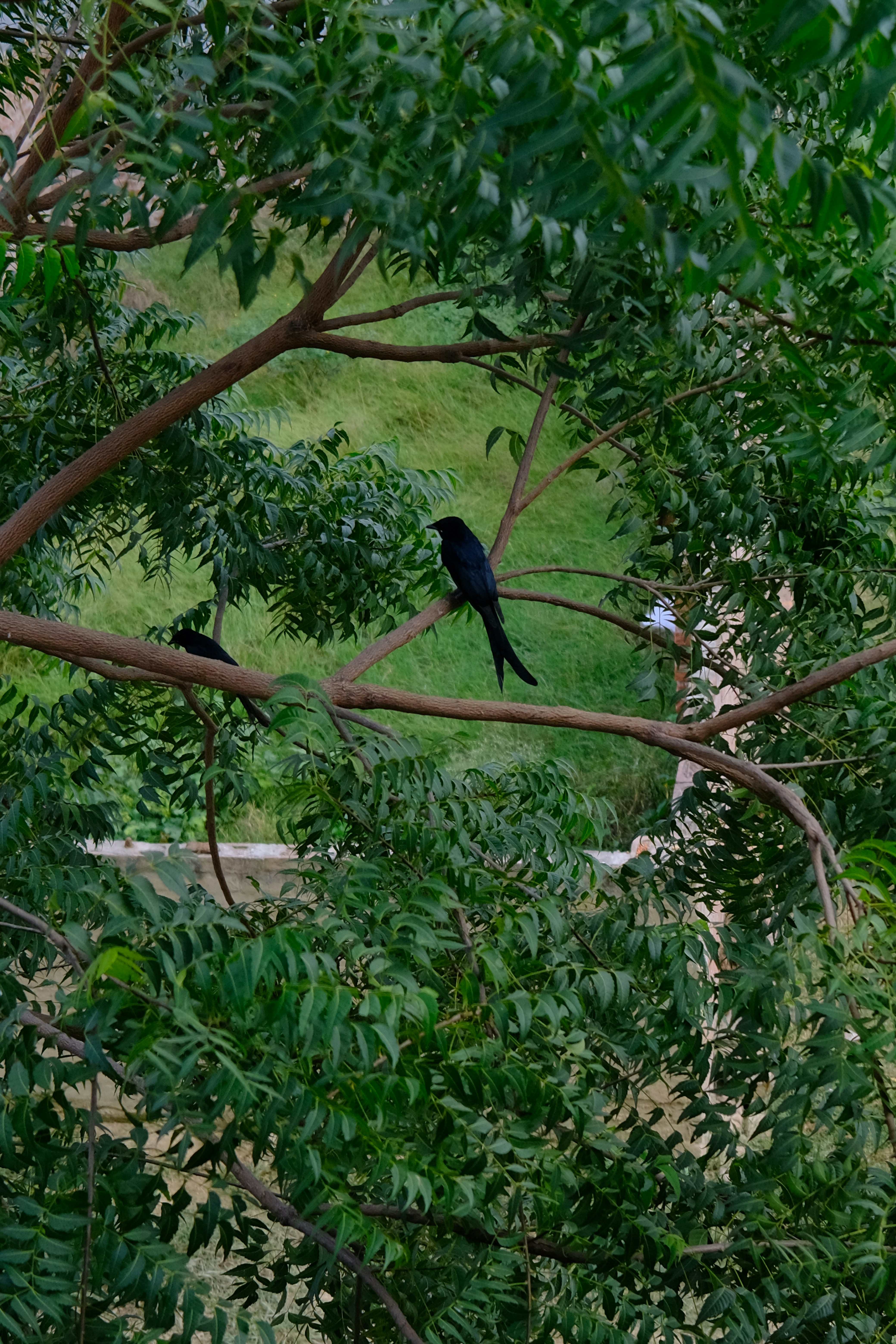
The Neem tree stands as a remarkable testament to nature's extraordinary potential, embodying a complex intersection of medicinal science, ecological sustainability, and traditional healing practices in Thailand. This living botanical marvel transcends conventional understanding, representing a profound synergy between indigenous knowledge and modern scientific exploration. Our investigation unveils the multifaceted significance of the Neem tree, exploring its critical role in traditional medicine, ecological balance, and sustainable development. By examining its biological characteristics, cultural importance, and potential global implications, we illuminate the broader narrative of nature's healing potential.
Botanical Brilliance and Healing Potential
In the diverse landscapes of Thailand, the Neem tree emerges as a botanical powerhouse of unparalleled medicinal significance.
Revered for centuries by traditional healers and increasingly recognized by modern scientific research, this extraordinary tree represents a living pharmacy of remarkable therapeutic compounds.
Its leaves, bark, seeds, and oil contain complex biochemical structures that demonstrate potent antimicrobial, anti-inflammatory, and regenerative properties.
The largest remaining population of endangered African savanna elephants roams throughout the region encompassed by ReconAfrica’s licenses, granted by the governments of Namibia and Botswana.
Photo: Rafael Morales
The largest remaining population of endangered African savanna elephants roams throughout the region encompassed by ReconAfrica’s licenses, granted by the governments of Namibia and Botswana.
Photo: Rafael Morales
The largest remaining population of endangered African savanna elephants roams throughout the region encompassed by ReconAfrica’s licenses, granted by the governments of Namibia and Botswana.
Photo: Rafael Morales
The largest remaining population of endangered African savanna elephants roams throughout the region encompassed by ReconAfrica’s licenses, granted by the governments of Namibia and Botswana.
Photo: Rafael Morales
The largest remaining population of endangered African savanna elephants roams throughout the region encompassed by ReconAfrica’s licenses, granted by the governments of Namibia and Botswana.
Photo: Rafael Morales
The largest remaining population of endangered African savanna elephants roams throughout the region encompassed by ReconAfrica’s licenses, granted by the governments of Namibia and Botswana.
Photo: Rafael Morales
Historical Context and Traditional Healing Practices
Thai traditional medicine has long recognized the Neem tree as a cornerstone of holistic healing approaches.
Indigenous communities have developed sophisticated extraction and application techniques, utilizing different parts of the tree for treating various ailments.
From skin conditions to dental hygiene, from pest control to agricultural management, the Neem tree has been an integral component of sustainable health and ecological practices.
Thai researchers and international scientific communities are collaborating to explore innovative uses, from developing natural pesticides to creating advanced medical treatments, positioning the Neem tree as a critical resource in global sustainable development efforts.
The largest remaining population of endangered African savanna elephants roams throughout the region encompassed by ReconAfrica’s licenses, granted by the governments of Namibia and Botswana.
Photo: Rafael Morales
The largest remaining population of endangered African savanna elephants roams throughout the region encompassed by ReconAfrica’s licenses, granted by the governments of Namibia and Botswana.
Photo: Rafael Morales
The largest remaining population of endangered African savanna elephants roams throughout the region encompassed by ReconAfrica’s licenses, granted by the governments of Namibia and Botswana.
Photo: Rafael Morales
The largest remaining population of endangered African savanna elephants roams throughout the region encompassed by ReconAfrica’s licenses, granted by the governments of Namibia and Botswana.
Photo: Rafael Morales
The largest remaining population of endangered African savanna elephants roams throughout the region encompassed by ReconAfrica’s licenses, granted by the governments of Namibia and Botswana.
Photo: Rafael Morales
The largest remaining population of endangered African savanna elephants roams throughout the region encompassed by ReconAfrica’s licenses, granted by the governments of Namibia and Botswana.
Photo: Rafael Morales
Ecological Significance and Environmental Adaptation
Beyond its medicinal applications, the Neem tree plays a crucial role in Thailand's ecological systems. These resilient trees demonstrate remarkable adaptability, thriving in challenging environmental conditions and contributing significantly to soil conservation, biodiversity support, and climate regulation.
Their extensive root systems prevent soil erosion, while their unique biochemical properties support natural pest management in agricultural landscapes.
Contemporary Research and Global Potential
Modern scientific research continues to unlock the extraordinary potential of the Neem tree, revealing promising applications in pharmaceutical development, sustainable agriculture, and environmental conservation.
Thai researchers and international scientific communities are collaborating to explore innovative uses, from developing natural pesticides to creating advanced medical treatments, positioning the Neem tree as a critical resource in global sustainable development efforts.
Conclusion
The Neem tree of Thailand represents a powerful symbol of nature's intrinsic wisdom and healing potential. It challenges contemporary perspectives on medicine, ecology, and sustainable development, offering a holistic model of interconnectedness between human health and environmental systems. Preserving and studying these remarkable trees is not just a scientific endeavor but a commitment to understanding the profound healing capabilities of our natural world.
Enjoyed reading this post?
Share it!
Rafael Morales is a passionate tropical forest ecologist dedicated to understanding and preserving the world's most complex terrestrial ecosystems. Specializing in Amazonian biodiversity, he has developed innovative methodologies for mapping and monitoring forest dynamics, species interactions, and ecosystem resilience. With a background in both ecological research and environmental policy, Rafael works at the intersection of scientific investigation and conservation strategy.
Rafael Morales is a passionate tropical forest ecologist dedicated to understanding and preserving the world's most complex terrestrial ecosystems. Specializing in Amazonian biodiversity, he has developed innovative methodologies for mapping and monitoring forest dynamics, species interactions, and ecosystem resilience. With a background in both ecological research and environmental policy, Rafael works at the intersection of scientific investigation and conservation strategy.
Rafael Morales is a passionate tropical forest ecologist dedicated to understanding and preserving the world's most complex terrestrial ecosystems. Specializing in Amazonian biodiversity, he has developed innovative methodologies for mapping and monitoring forest dynamics, species interactions, and ecosystem resilience. With a background in both ecological research and environmental policy, Rafael works at the intersection of scientific investigation and conservation strategy.
Rafael Morales is a passionate tropical forest ecologist dedicated to understanding and preserving the world's most complex terrestrial ecosystems. Specializing in Amazonian biodiversity, he has developed innovative methodologies for mapping and monitoring forest dynamics, species interactions, and ecosystem resilience. With a background in both ecological research and environmental policy, Rafael works at the intersection of scientific investigation and conservation strategy.