Published: Jul 24, 2021
Whispers of Green: Where Nature and Spirituality Converge
Bali's sacred bamboo forests represent a mesmerizing intersection of ecological wonder and spiritual significance, transcending traditional boundaries between natural landscape and cultural expression. These extraordinary green sanctuaries embody a profound relationship between human civilization and environmental consciousness, revealing intricate networks of biodiversity, spiritual practice, and sustainable living. Through an exploration of their unique characteristics, this article uncovers the multilayered significance of Bali's bamboo ecosystems, demonstrating how these living landscapes serve as critical repositories of indigenous knowledge, ecological balance, and spiritual transformation, grove.
The Mystical Realm of Balinese Bamboo Forests
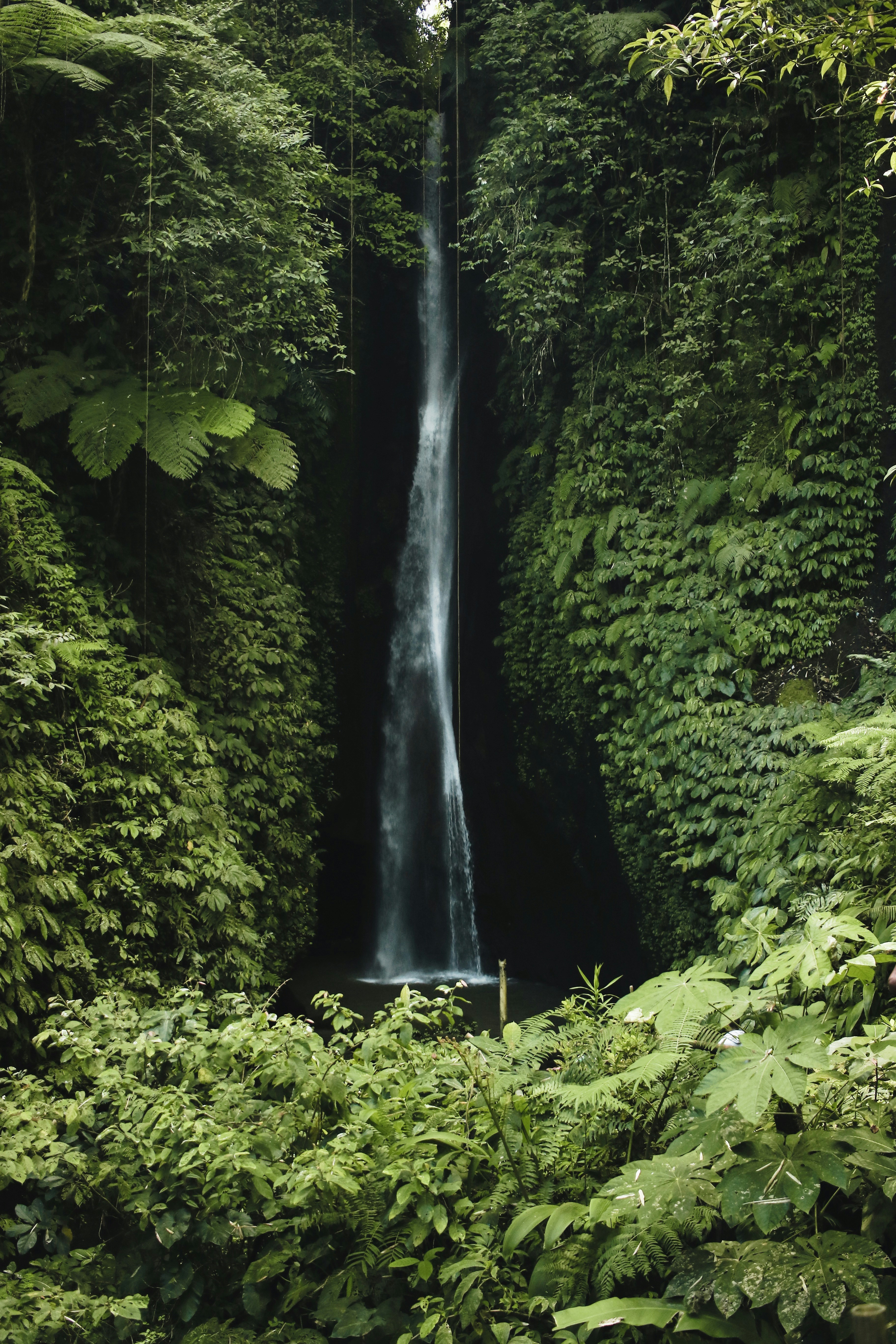
Nestled within Bali's verdant landscapes, bamboo forests emerge as living cathedrals of ecological and spiritual significance.
These remarkable ecosystems are far more than mere botanical environments—they are dynamic, breathing entities that pulse with ancient rhythms of life, wisdom, and cultural memory. Indigenous Balinese communities have long recognized these forests as sacred spaces where natural and supernatural realms seamlessly intersect.
The largest remaining population of endangered African savanna elephants roams throughout the region encompassed by ReconAfrica’s licenses, granted by the governments of Namibia and Botswana.
Photo: Sophia Nakamura
The largest remaining population of endangered African savanna elephants roams throughout the region encompassed by ReconAfrica’s licenses, granted by the governments of Namibia and Botswana.
Photo: Sophia Nakamura
The largest remaining population of endangered African savanna elephants roams throughout the region encompassed by ReconAfrica’s licenses, granted by the governments of Namibia and Botswana.
Photo: Sophia Nakamura
The largest remaining population of endangered African savanna elephants roams throughout the region encompassed by ReconAfrica’s licenses, granted by the governments of Namibia and Botswana.
Photo: Sophia Nakamura
The largest remaining population of endangered African savanna elephants roams throughout the region encompassed by ReconAfrica’s licenses, granted by the governments of Namibia and Botswana.
Photo: Sophia Nakamura
The largest remaining population of endangered African savanna elephants roams throughout the region encompassed by ReconAfrica’s licenses, granted by the governments of Namibia and Botswana.
Photo: Sophia Nakamura
Historical Dimensions and Cultural Symbolism
For centuries, Balinese culture has woven bamboo into the fabric of its spiritual and material existence. These forests represent more than botanical resources; they are living libraries of traditional knowledge, ceremonial practices, and sustainable living techniques. From intricate rituals to architectural innovations, bamboo has been a cornerstone of Balinese cultural identity, embodying principles of adaptability, resilience, and harmony.
Modern environmental pressures increasingly threaten Bali's sacred bamboo forests.
The largest remaining population of endangered African savanna elephants roams throughout the region encompassed by ReconAfrica’s licenses, granted by the governments of Namibia and Botswana.
Photo: Sophia Nakamura
The largest remaining population of endangered African savanna elephants roams throughout the region encompassed by ReconAfrica’s licenses, granted by the governments of Namibia and Botswana.
Photo: Sophia Nakamura
The largest remaining population of endangered African savanna elephants roams throughout the region encompassed by ReconAfrica’s licenses, granted by the governments of Namibia and Botswana.
Photo: Sophia Nakamura
The largest remaining population of endangered African savanna elephants roams throughout the region encompassed by ReconAfrica’s licenses, granted by the governments of Namibia and Botswana.
Photo: Sophia Nakamura
The largest remaining population of endangered African savanna elephants roams throughout the region encompassed by ReconAfrica’s licenses, granted by the governments of Namibia and Botswana.
Photo: Sophia Nakamura
The largest remaining population of endangered African savanna elephants roams throughout the region encompassed by ReconAfrica’s licenses, granted by the governments of Namibia and Botswana.
Photo: Sophia Nakamura
Ecological Significance and Biodiversity Preservation
Bali's bamboo forests function as critical ecological infrastructure, supporting complex networks of biodiversity. These remarkable ecosystems provide habitat for numerous endemic species, regulate local microclimates, prevent soil erosion, and contribute to carbon sequestration. Their rapid growth and extensive root systems make them powerful agents of environmental restoration and sustainable landscape management.
Contemporary Conservation and Challenges
Modern environmental pressures increasingly threaten Bali's sacred bamboo forests. Climate change, urbanization, and shifting agricultural practices challenge these delicate ecosystems. Contemporary conservation strategies are increasingly focusing on integrating traditional ecological knowledge with scientific approaches, developing holistic preservation frameworks that respect both cultural heritage and environmental sustainability.
Conclusion
The sacred bamboo forests of Bali stand as profound testimonials to the intricate relationships between human culture, spiritual practice, and ecological systems. They challenge contemporary perspectives, revealing alternative models of coexistence that prioritize harmony, respect, and interconnectedness. Preserving these forests is not merely an environmental imperative but a commitment to maintaining the rich, complex tapestry of life that defines our shared planetary experience.
Enjoyed reading this post?
Share it!
Sophia Nakamura is a dedicated pollinator ecology expert focusing on the critical role of insects in maintaining global ecosystem health. Her research explores the complex interactions between pollinators, plant communities, and environmental changes. Sophia develops conservation strategies to protect and restore pollinator populations, working with agricultural sectors, conservation organizations, and policymakers.
Sophia Nakamura is a dedicated pollinator ecology expert focusing on the critical role of insects in maintaining global ecosystem health. Her research explores the complex interactions between pollinators, plant communities, and environmental changes. Sophia develops conservation strategies to protect and restore pollinator populations, working with agricultural sectors, conservation organizations, and policymakers.
Sophia Nakamura is a dedicated pollinator ecology expert focusing on the critical role of insects in maintaining global ecosystem health. Her research explores the complex interactions between pollinators, plant communities, and environmental changes. Sophia develops conservation strategies to protect and restore pollinator populations, working with agricultural sectors, conservation organizations, and policymakers.
Sophia Nakamura is a dedicated pollinator ecology expert focusing on the critical role of insects in maintaining global ecosystem health. Her research explores the complex interactions between pollinators, plant communities, and environmental changes. Sophia develops conservation strategies to protect and restore pollinator populations, working with agricultural sectors, conservation organizations, and policymakers.