
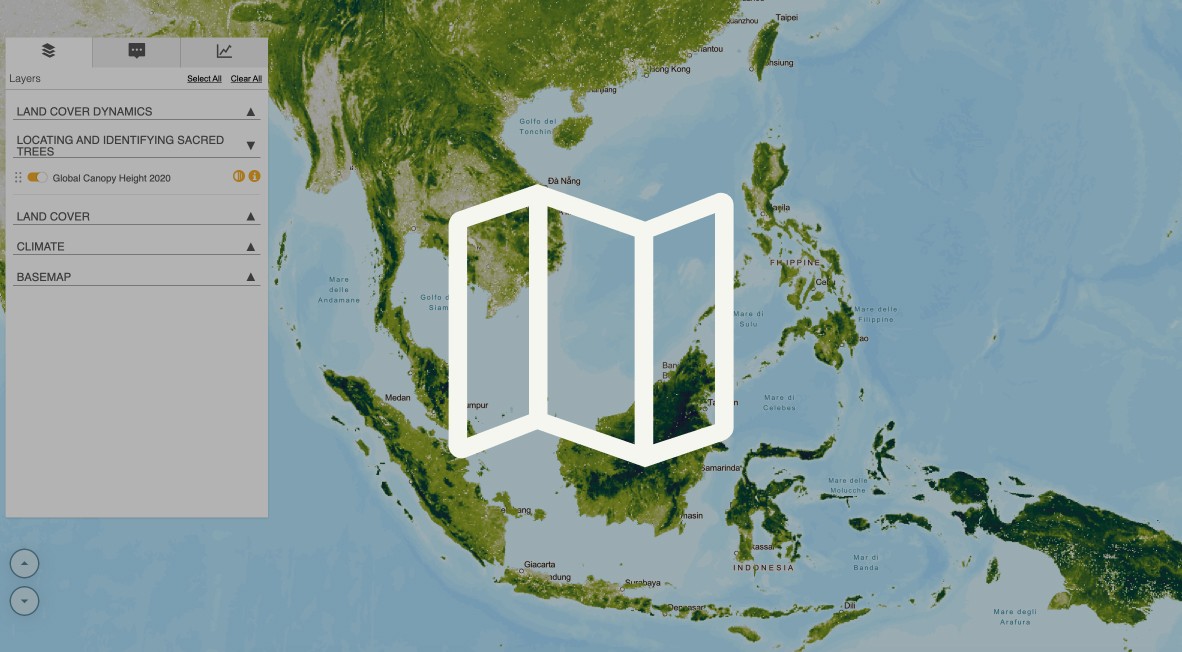

Map Info
The tracking and recognition of hallowed trees, a blend of cultural treasure, can be accomplished with satellite imagery.
The tracking and recognition of hallowed trees, a blend of cultural treasure, can be accomplished with satellite imagery.
The tracking and recognition of hallowed trees, a blend of cultural treasure, can be accomplished with satellite imagery.
Satellite imaging can be used to identify and track the conservation of sacred trees, which are hybrid cultural assets.
The tracking and recognition of hallowed trees, a blend of cultural treasure, can be accomplished with satellite imagery.
What is the reason that this data will be used for?
Each sacred tree is located on an interactive map, which also allows users to search for specific trees by name or other criteria.
What is the reason that this data will be used for?
Each sacred tree is located on an interactive map, which also allows users to search for specific trees by name or other criteria.
What is the reason that this data will be used for?
Each sacred tree is located on an interactive map, which also allows users to search for specific trees by name or other criteria.
What is the reason that this data will be used for?
Each sacred tree is located on an interactive map, which also allows users to search for specific trees by name or other criteria.
What is the reason that this data will be used for?
Each sacred tree is located on an interactive map, which also allows users to search for specific trees by name or other criteria.
What is the reason that this data will be used for?
Each sacred tree is located on an interactive map, which also allows users to search for specific trees by name or other criteria.
how to view and understand the data?
Each sacred tree is located on an interactive map, which also allows users to search for specific trees by name or other criteria.
how to view and understand the data?
Each sacred tree is located on an interactive map, which also allows users to search for specific trees by name or other criteria.
how to view and understand the data?
Each sacred tree is located on an interactive map, which also allows users to search for specific trees by name or other criteria.
how to view and understand the data?
Each sacred tree is located on an interactive map, which also allows users to search for specific trees by name or other criteria.
how to view and understand the data?
Each sacred tree is located on an interactive map, which also allows users to search for specific trees by name or other criteria.

MAP | analysis methodology
A Map that locates every sacred tree in the region
Establishing a geo-referencing and registration platform for sacred trees in Southeast Asia involves a holistic approach with volunteers, local communities, and experts. Through strategic planning, training, and execution, create a robust database for research, conservation, and cultural preservation.
Establishing a geo-referencing and registration platform for sacred trees in Southeast Asia involves a holistic approach with volunteers, local communities, and experts. Through strategic planning, training, and execution, create a robust database for research, conservation, and cultural preservation.
In Monsoon Asia, a georeferencing and registration project for sacred trees will be implemented through crowdsourcing on a web platform. The following steps will be taken:
This database features trees that have been identified as sacred in Southeast Asia and can be searched or filtered by country or region. Each sacred tree is located on an interactive map, which also allows users to search for specific trees by name or other criteria.
Define the scope and objectives:
The first step is to define the scope and objectives of the project. This involves determining the geographic area to be covered, the type of sacred trees to be geo-referenced and censored, and the purpose of the project.
Identify reliable data sources:
The next step is to identify reliable data sources, which could include satellite images, topographic maps, and local knowledge from communities and experts. This data will be used to identify the location of the sacred trees and their characteristics.
In Monsoon Asia, a georeferencing and registration project for sacred trees will be implemented through crowdsourcing on a web platform. The following steps will be taken:
This database features trees that have been identified as sacred in Southeast Asia and can be searched or filtered by country or region. Each sacred tree is located on an interactive map, which also allows users to search for specific trees by name or other criteria.
Define the scope and objectives:
The first step is to define the scope and objectives of the project. This involves determining the geographic area to be covered, the type of sacred trees to be geo-referenced and censored, and the purpose of the project.
Identify reliable data sources:
The next step is to identify reliable data sources, which could include satellite images, topographic maps, and local knowledge from communities and experts. This data will be used to identify the location of the sacred trees and their characteristics.
In Monsoon Asia, a georeferencing and registration project for sacred trees will be implemented through crowdsourcing on a web platform. The following steps will be taken:
This database features trees that have been identified as sacred in Southeast Asia and can be searched or filtered by country or region. Each sacred tree is located on an interactive map, which also allows users to search for specific trees by name or other criteria.
Define the scope and objectives:
The first step is to define the scope and objectives of the project. This involves determining the geographic area to be covered, the type of sacred trees to be geo-referenced and censored, and the purpose of the project.
Identify reliable data sources:
The next step is to identify reliable data sources, which could include satellite images, topographic maps, and local knowledge from communities and experts. This data will be used to identify the location of the sacred trees and their characteristics.
In Monsoon Asia, a georeferencing and registration project for sacred trees will be implemented through crowdsourcing on a web platform. The following steps will be taken:
This database features trees that have been identified as sacred in Southeast Asia and can be searched or filtered by country or region. Each sacred tree is located on an interactive map, which also allows users to search for specific trees by name or other criteria.
Define the scope and objectives:
The first step is to define the scope and objectives of the project. This involves determining the geographic area to be covered, the type of sacred trees to be geo-referenced and censored, and the purpose of the project.
Identify reliable data sources:
The next step is to identify reliable data sources, which could include satellite images, topographic maps, and local knowledge from communities and experts. This data will be used to identify the location of the sacred trees and their characteristics.
In Monsoon Asia, a georeferencing and registration project for sacred trees will be implemented through crowdsourcing on a web platform. The following steps will be taken:
This database features trees that have been identified as sacred in Southeast Asia and can be searched or filtered by country or region. Each sacred tree is located on an interactive map, which also allows users to search for specific trees by name or other criteria.
Define the scope and objectives:
The first step is to define the scope and objectives of the project. This involves determining the geographic area to be covered, the type of sacred trees to be geo-referenced and censored, and the purpose of the project.
Identify reliable data sources:
The next step is to identify reliable data sources, which could include satellite images, topographic maps, and local knowledge from communities and experts. This data will be used to identify the location of the sacred trees and their characteristics.
In Monsoon Asia, a georeferencing and registration project for sacred trees will be implemented through crowdsourcing on a web platform. The following steps will be taken:
This database features trees that have been identified as sacred in Southeast Asia and can be searched or filtered by country or region. Each sacred tree is located on an interactive map, which also allows users to search for specific trees by name or other criteria.
Define the scope and objectives:
The first step is to define the scope and objectives of the project. This involves determining the geographic area to be covered, the type of sacred trees to be geo-referenced and censored, and the purpose of the project.
Identify reliable data sources:
The next step is to identify reliable data sources, which could include satellite images, topographic maps, and local knowledge from communities and experts. This data will be used to identify the location of the sacred trees and their characteristics.
Georeferencing and registering sacred trees in Southeast Asia on a web platform through crowdsourcing can have numerous benefits for cultural conservation.
Georeferencing and registering sacred trees in Southeast Asia on a web platform through crowdsourcing can help preserve cultural heritage and promote understanding and appreciation of cultural diversity.
Cultural preservation:
Sacred trees are often associated with traditional beliefs and practices that have been passed down through generations. By registering these trees and their associated cultural practices, we can help preserve these traditions and promote cultural diversity.
Historical and archaeological significance:
Many sacred trees have historical or archaeological significance, and their registration can help us understand the cultural history of the region. This can lead to the identification and preservation of culturally significant sites.
Georeferencing and registering sacred trees in Southeast Asia on a web platform through crowdsourcing can have numerous benefits for cultural conservation.
Georeferencing and registering sacred trees in Southeast Asia on a web platform through crowdsourcing can help preserve cultural heritage and promote understanding and appreciation of cultural diversity.
Cultural preservation:
Sacred trees are often associated with traditional beliefs and practices that have been passed down through generations. By registering these trees and their associated cultural practices, we can help preserve these traditions and promote cultural diversity.
Historical and archaeological significance:
Many sacred trees have historical or archaeological significance, and their registration can help us understand the cultural history of the region. This can lead to the identification and preservation of culturally significant sites.
Georeferencing and registering sacred trees in Southeast Asia on a web platform through crowdsourcing can have numerous benefits for cultural conservation.
Georeferencing and registering sacred trees in Southeast Asia on a web platform through crowdsourcing can help preserve cultural heritage and promote understanding and appreciation of cultural diversity.
Cultural preservation:
Sacred trees are often associated with traditional beliefs and practices that have been passed down through generations. By registering these trees and their associated cultural practices, we can help preserve these traditions and promote cultural diversity.
Historical and archaeological significance:
Many sacred trees have historical or archaeological significance, and their registration can help us understand the cultural history of the region. This can lead to the identification and preservation of culturally significant sites.
Georeferencing and registering sacred trees in Southeast Asia on a web platform through crowdsourcing can have numerous benefits for cultural conservation.
Georeferencing and registering sacred trees in Southeast Asia on a web platform through crowdsourcing can help preserve cultural heritage and promote understanding and appreciation of cultural diversity.
Cultural preservation:
Sacred trees are often associated with traditional beliefs and practices that have been passed down through generations. By registering these trees and their associated cultural practices, we can help preserve these traditions and promote cultural diversity.
Historical and archaeological significance:
Many sacred trees have historical or archaeological significance, and their registration can help us understand the cultural history of the region. This can lead to the identification and preservation of culturally significant sites.
Georeferencing and registering sacred trees in Southeast Asia on a web platform through crowdsourcing can have numerous benefits for cultural conservation.
Georeferencing and registering sacred trees in Southeast Asia on a web platform through crowdsourcing can help preserve cultural heritage and promote understanding and appreciation of cultural diversity.
Cultural preservation:
Sacred trees are often associated with traditional beliefs and practices that have been passed down through generations. By registering these trees and their associated cultural practices, we can help preserve these traditions and promote cultural diversity.
Historical and archaeological significance:
Many sacred trees have historical or archaeological significance, and their registration can help us understand the cultural history of the region. This can lead to the identification and preservation of culturally significant sites.
Georeferencing and registering sacred trees in Southeast Asia on a web platform through crowdsourcing can have numerous benefits for cultural conservation.
Georeferencing and registering sacred trees in Southeast Asia on a web platform through crowdsourcing can help preserve cultural heritage and promote understanding and appreciation of cultural diversity.
Cultural preservation:
Sacred trees are often associated with traditional beliefs and practices that have been passed down through generations. By registering these trees and their associated cultural practices, we can help preserve these traditions and promote cultural diversity.
Historical and archaeological significance:
Many sacred trees have historical or archaeological significance, and their registration can help us understand the cultural history of the region. This can lead to the identification and preservation of culturally significant sites.
Subscribe to our monthly newsletter and stay up to date.
Subscribe to our monthly newsletter and stay up to date.
Subscribe to our monthly newsletter and stay up to date.
Subscribe to our monthly newsletter and stay up to date.
Subscribe to our monthly newsletter and stay up to date.
Subscribe to our monthly newsletter and stay up to date.

Connect with Sacred tree
Heavenly Messages from Forests strive to reconfigure
our relationship with flora and the ecosystem.
Connect with Sacred tree
Heavenly Messages from Forests strive to reconfigure
our relationship with flora and the ecosystem.
Donate Today
Back our venture and ensure its longevity.
Back our venture and
ensure its longevity.
Back our venture and
ensure its longevity.
Donate Today
Back our venture and ensure its longevity.
Donate Today
Back our venture and ensure its longevity.
Donate Today
Back our venture and ensure
its longevity.
Join to Protect The Holy Tree through email
Keep up to speed with our monthly newsletter subscription.
Keep up to speed with our monthly newsletter subscription.
Keep up to speed with our monthly newsletter subscription.
CONNECT :
ABOUT :
ABOUT :
EXPLORE MORE :
EXPLORE MORE :