Published: Jun 15, 2022
Guardians of Biodiversity and Indigenous Wisdom
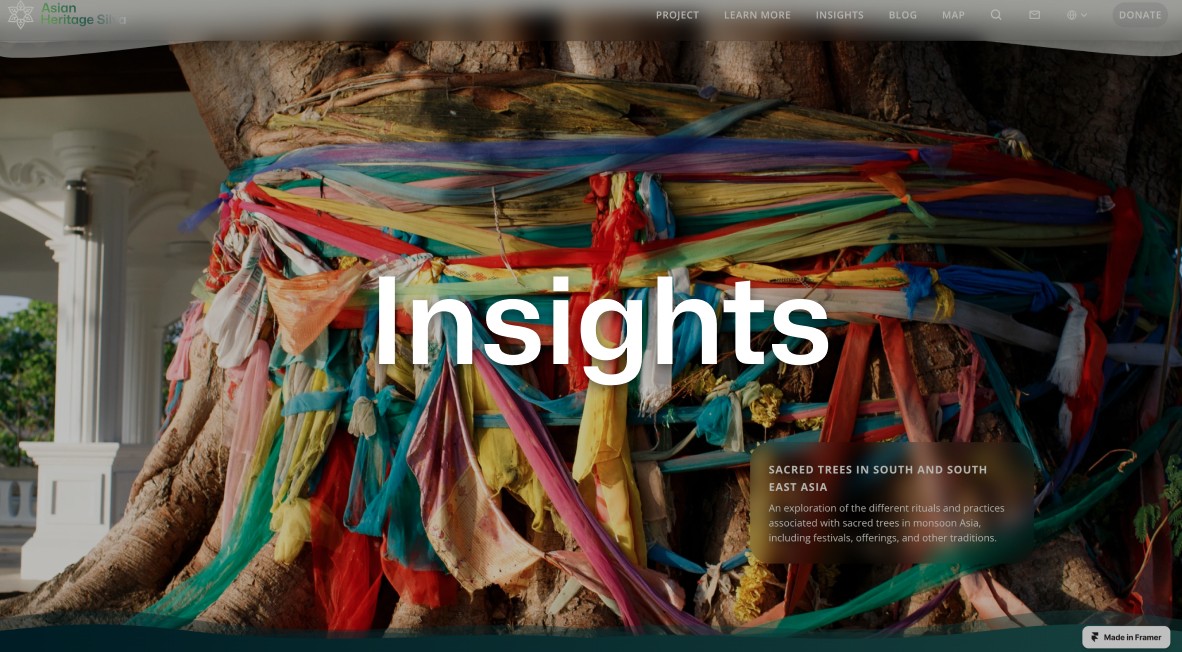
Borneo's sacred forests represent an extraordinary confluence of biological diversity, cultural heritage, and environmental complexity. These ancient ecosystems are more than mere geographical landscapes—they are living repositories of intricate ecological relationships, indigenous knowledge, and spiritual significance. This exploration delves into the multifaceted world of Borneo's sacred forests, unveiling their critical role in global biodiversity conservation, traditional ecological practices, and the profound spiritual connections of indigenous communities, grove.
The Ecological Tapestry of Bornean Sacred Forests
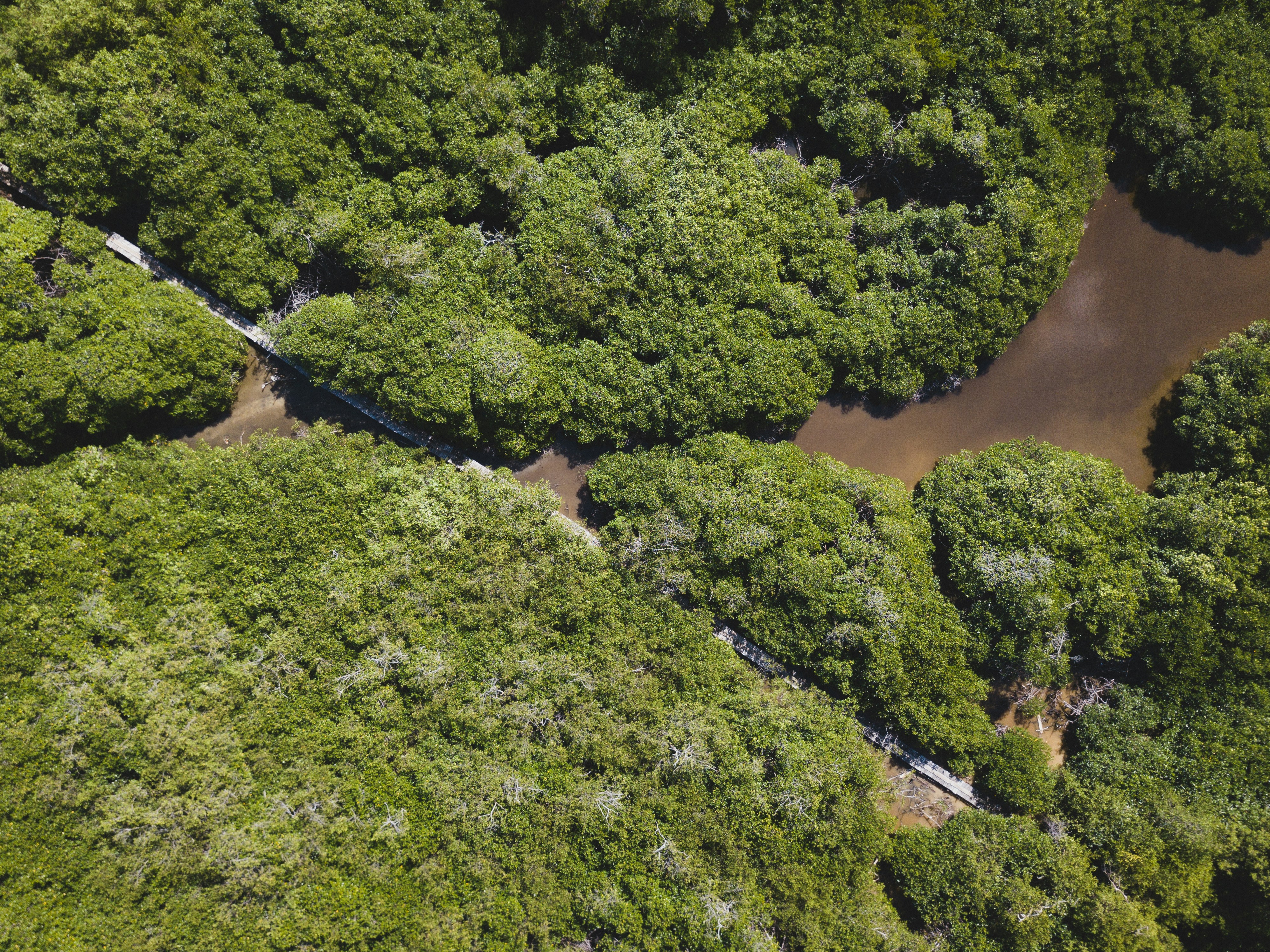
In the heart of Southeast Asia, Borneo's sacred forests emerge as extraordinary ecosystems of unparalleled biological complexity.
These primeval landscapes house an astonishing array of endemic species, representing some of the most biodiverse environments on our planet. Indigenous communities have long recognized these forests as more than mere geographical spaces—they are living entities imbued with spiritual significance and ecological intelligence.
The largest remaining population of endangered African savanna elephants roams throughout the region encompassed by ReconAfrica’s licenses, granted by the governments of Namibia and Botswana.
Photo: Dr. Aria Chen
The largest remaining population of endangered African savanna elephants roams throughout the region encompassed by ReconAfrica’s licenses, granted by the governments of Namibia and Botswana.
Photo: Dr. Aria Chen
The largest remaining population of endangered African savanna elephants roams throughout the region encompassed by ReconAfrica’s licenses, granted by the governments of Namibia and Botswana.
Photo: Dr. Aria Chen
The largest remaining population of endangered African savanna elephants roams throughout the region encompassed by ReconAfrica’s licenses, granted by the governments of Namibia and Botswana.
Photo: Dr. Aria Chen
The largest remaining population of endangered African savanna elephants roams throughout the region encompassed by ReconAfrica’s licenses, granted by the governments of Namibia and Botswana.
Photo: Dr. Aria Chen
The largest remaining population of endangered African savanna elephants roams throughout the region encompassed by ReconAfrica’s licenses, granted by the governments of Namibia and Botswana.
Photo: Dr. Aria Chen
Historical Context and Cultural Preservation
For millennia, indigenous tribes of Borneo have maintained a deeply symbiotic relationship with their forest environments. Traditional ecological knowledge, passed through generations, has created sophisticated conservation practices that predate modern environmental management strategies.
These sacred forests serve as cultural archives, preserving not just biological diversity but also intricate social systems, spiritual practices, and ancestral wisdom.
Contemporary conservation strategies increasingly recognize the importance of integrating indigenous knowledge with scientific approaches
The largest remaining population of endangered African savanna elephants roams throughout the region encompassed by ReconAfrica’s licenses, granted by the governments of Namibia and Botswana.
Photo: Dr. Aria Chen
The largest remaining population of endangered African savanna elephants roams throughout the region encompassed by ReconAfrica’s licenses, granted by the governments of Namibia and Botswana.
Photo: Dr. Aria Chen
The largest remaining population of endangered African savanna elephants roams throughout the region encompassed by ReconAfrica’s licenses, granted by the governments of Namibia and Botswana.
Photo: Dr. Aria Chen
The largest remaining population of endangered African savanna elephants roams throughout the region encompassed by ReconAfrica’s licenses, granted by the governments of Namibia and Botswana.
Photo: Dr. Aria Chen
The largest remaining population of endangered African savanna elephants roams throughout the region encompassed by ReconAfrica’s licenses, granted by the governments of Namibia and Botswana.
Photo: Dr. Aria Chen
The largest remaining population of endangered African savanna elephants roams throughout the region encompassed by ReconAfrica’s licenses, granted by the governments of Namibia and Botswana.
Photo: Dr. Aria Chen
Biodiversity and Environmental Significance
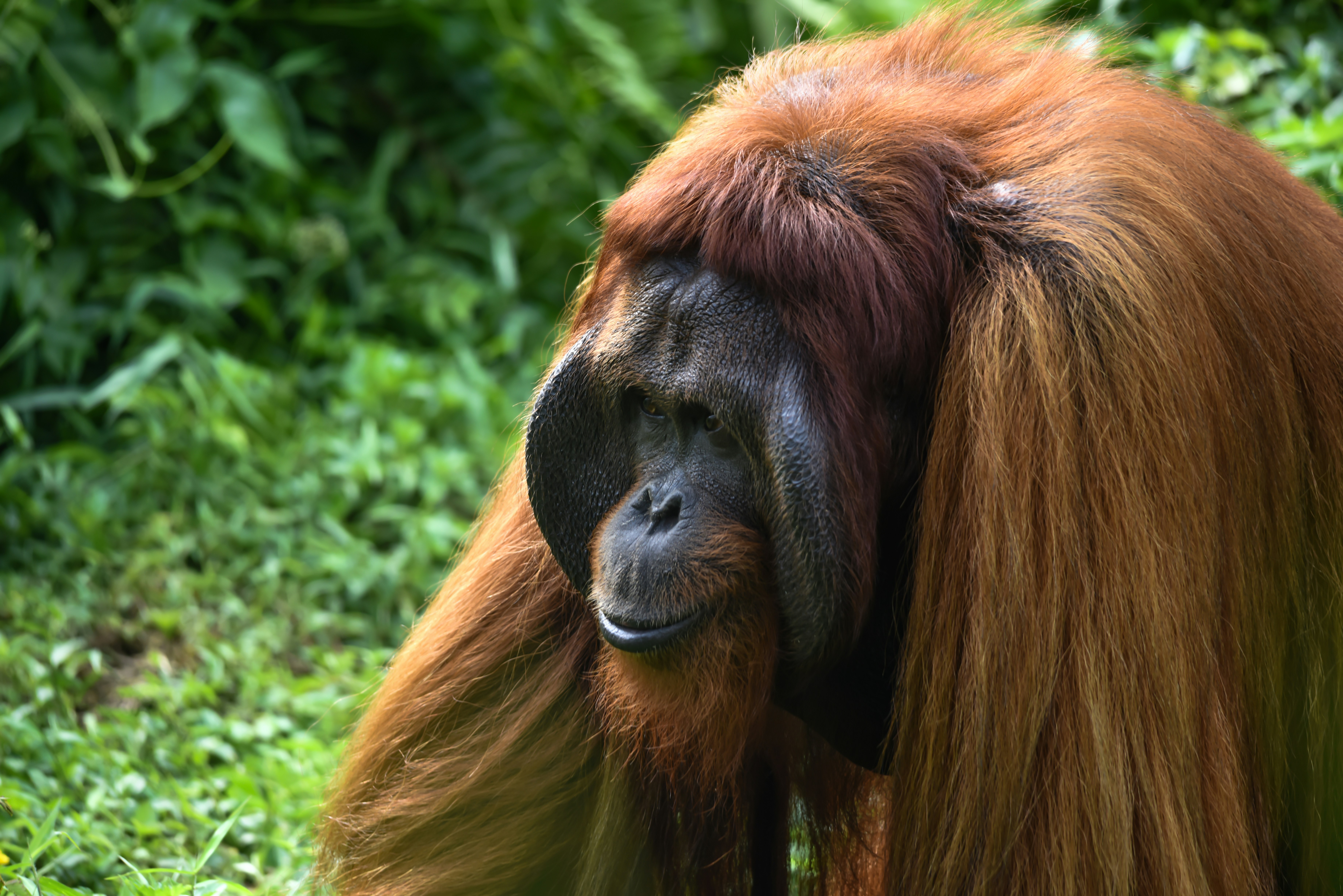
Borneo's sacred forests represent global hotspots of biodiversity, hosting an extraordinary range of plant and animal species found nowhere else on Earth. From critically endangered orangutans to unique botanical species, these ecosystems function as complex, interconnected networks of life.
Their preservation is crucial not just for local communities but for global ecological balance, representing irreplaceable genetic reservoirs and climate regulation mechanisms.
Contemporary Challenges and Conservation Efforts
Modern environmental pressures pose significant threats to Borneo's sacred forests. Deforestation, industrial agriculture, mining, and climate change challenge the delicate ecological balance of these ancient landscapes.
Contemporary conservation strategies increasingly recognize the importance of integrating indigenous knowledge with scientific approaches, creating holistic protection frameworks that respect both ecological and cultural dimensions.
Conclusion
The sacred forests of Borneo stand as powerful testaments to the intricate relationships between biological diversity, cultural heritage, and environmental sustainability. They challenge us to reimagine our understanding of ecosystems, recognizing them as dynamic, interconnected living systems that transcend simplistic scientific categorizations. Preserving these forests is not merely an environmental imperative but a commitment to maintaining the rich tapestry of life on our planet.
Enjoyed reading this post?
Share it!
Dr. Aria Chen is a renowned aquatic ecosystem researcher with extensive expertise in marine and freshwater ecology. Her groundbreaking work focuses on understanding complex aquatic food webs, climate change impacts on marine biodiversity, and sustainable fisheries management. With over 15 years of research experience, she has conducted extensive fieldwork in marine environments from the Great Barrier Reef to the Arctic Ocean.
Dr. Aria Chen is a renowned aquatic ecosystem researcher with extensive expertise in marine and freshwater ecology. Her groundbreaking work focuses on understanding complex aquatic food webs, climate change impacts on marine biodiversity, and sustainable fisheries management. With over 15 years of research experience, she has conducted extensive fieldwork in marine environments from the Great Barrier Reef to the Arctic Ocean.
Dr. Aria Chen is a renowned aquatic ecosystem researcher with extensive expertise in marine and freshwater ecology. Her groundbreaking work focuses on understanding complex aquatic food webs, climate change impacts on marine biodiversity, and sustainable fisheries management. With over 15 years of research experience, she has conducted extensive fieldwork in marine environments from the Great Barrier Reef to the Arctic Ocean.
Dr. Aria Chen is a renowned aquatic ecosystem researcher with extensive expertise in marine and freshwater ecology. Her groundbreaking work focuses on understanding complex aquatic food webs, climate change impacts on marine biodiversity, and sustainable fisheries management. With over 15 years of research experience, she has conducted extensive fieldwork in marine environments from the Great Barrier Reef to the Arctic Ocean.