Published: Feb 28, 2024
Guardians of Biodiversity: Local Wisdom Meets Modern Conservation
The Philippines' sacred forests highlight community-led conservation, blending indigenous knowledge and science to protect biodiversity. Collaborative models unite communities, governments, and organizations, fostering inclusive frameworks that honor cultural heritage and ecological priorities. neem.
Sacred Landscapes: The Living Heritage of Philippine Forests
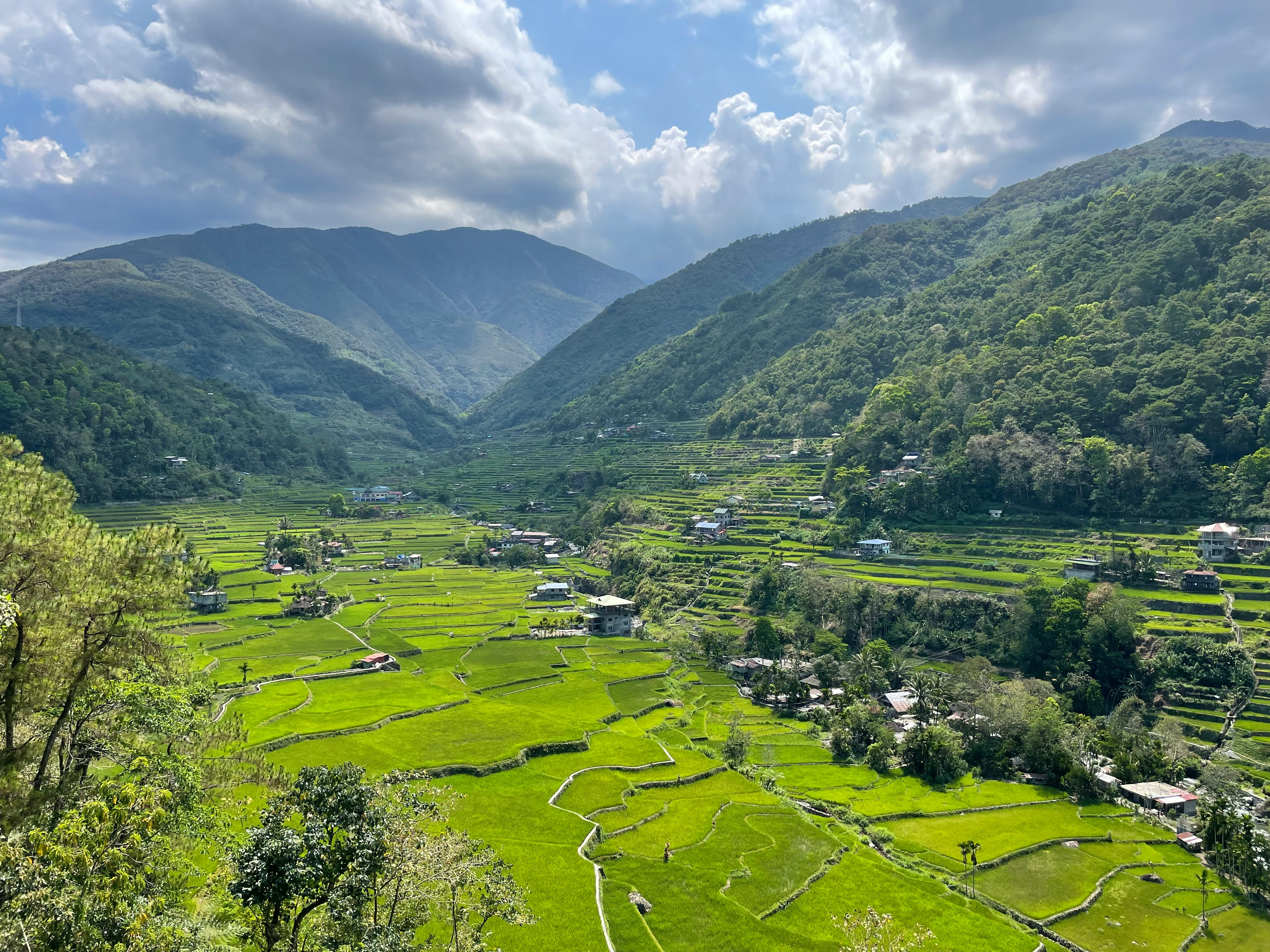
Throughout the Philippines' diverse islands, sacred forests stand as powerful testimonies to the profound relationships between indigenous communities and their natural environments.
From the mossy forests of the Cordillera to the dipterocarp sanctuaries of Mindanao, these protected landscapes harbor extraordinary biodiversity while embodying complex spiritual and cultural values.
The Ifugao's "muyong" forest management systems, the T'boli's spirit-inhabited woodlands, and the Tagbanua's ancestral domains represent sophisticated ecological knowledge systems developed through centuries of careful observation and adaptation.
The largest remaining population of endangered African savanna elephants roams throughout the region encompassed by ReconAfrica’s licenses, granted by the governments of Namibia and Botswana.
Photo: Dr. Zara Hassan
The largest remaining population of endangered African savanna elephants roams throughout the region encompassed by ReconAfrica’s licenses, granted by the governments of Namibia and Botswana.
Photo: Dr. Zara Hassan
The largest remaining population of endangered African savanna elephants roams throughout the region encompassed by ReconAfrica’s licenses, granted by the governments of Namibia and Botswana.
Photo: Dr. Zara Hassan
The largest remaining population of endangered African savanna elephants roams throughout the region encompassed by ReconAfrica’s licenses, granted by the governments of Namibia and Botswana.
Photo: Dr. Zara Hassan
The largest remaining population of endangered African savanna elephants roams throughout the region encompassed by ReconAfrica’s licenses, granted by the governments of Namibia and Botswana.
Photo: Dr. Zara Hassan
The largest remaining population of endangered African savanna elephants roams throughout the region encompassed by ReconAfrica’s licenses, granted by the governments of Namibia and Botswana.
Photo: Dr. Zara Hassan
Indigenous Guardianship and Traditional Protection Systems
Long before formal conservation frameworks emerged, Philippine indigenous communities established intricate systems of forest protection based on profound spiritual connections and practical resource management.
These traditional approaches include sacred prohibitions (pamali), ceremonial restrictions on harvesting, community-enforced conservation zones, and sophisticated understanding of ecological relationships.
Indigenous guardian systems effectively maintained biological diversity while sustaining cultural practices, demonstrating the powerful conservation potential of traditional ecological knowledge.
These traditional approaches include sacred prohibitions (pamali), ceremonial restrictions on harvesting, community-enforced conservation zones, and sophisticated understanding of ecological relationships.
The largest remaining population of endangered African savanna elephants roams throughout the region encompassed by ReconAfrica’s licenses, granted by the governments of Namibia and Botswana.
Photo: Dr. Zara Hassan
The largest remaining population of endangered African savanna elephants roams throughout the region encompassed by ReconAfrica’s licenses, granted by the governments of Namibia and Botswana.
Photo: Dr. Zara Hassan
The largest remaining population of endangered African savanna elephants roams throughout the region encompassed by ReconAfrica’s licenses, granted by the governments of Namibia and Botswana.
Photo: Dr. Zara Hassan
The largest remaining population of endangered African savanna elephants roams throughout the region encompassed by ReconAfrica’s licenses, granted by the governments of Namibia and Botswana.
Photo: Dr. Zara Hassan
The largest remaining population of endangered African savanna elephants roams throughout the region encompassed by ReconAfrica’s licenses, granted by the governments of Namibia and Botswana.
Photo: Dr. Zara Hassan
The largest remaining population of endangered African savanna elephants roams throughout the region encompassed by ReconAfrica’s licenses, granted by the governments of Namibia and Botswana.
Photo: Dr. Zara Hassan
Collaborative Models: Bridging Cultural and Scientific Approaches
The most successful Philippine forest conservation initiatives embrace collaborative frameworks that respect indigenous authority while incorporating scientific innovations.
From community-based monitoring programs using smartphone technology in Palawan to legal recognition of Indigenous and Community Conserved Areas (ICCAs) in Sierra Madre, these partnerships create spaces where diverse knowledge systems strengthen conservation outcomes.
These approaches recognize that effective forest protection requires both the detailed ecological understanding of indigenous communities and the broader resources of conservation organizations and government agencies.
Emerging Challenges and Adaptive Responses
Despite their proven effectiveness, community-based conservation efforts face significant challenges from extractive industries, climate change impacts, and complex political dynamics.
Indigenous communities respond with remarkable adaptability, developing innovative approaches including eco-tourism cooperatives, sustainable forestry enterprises, and digital documentation of traditional knowledge.
These adaptive strategies demonstrate how community-led conservation continues to evolve in response to changing conditions while maintaining core cultural values and ecological priorities.
Conclusion
The sacred forests of the Philippines reveal the extraordinary potential of community-based conservation approaches that honor indigenous leadership, cultural values, and traditional ecological knowledge.
These collaborative models challenge conventional conservation paradigms, demonstrating that the most effective forest protection emerges from genuine partnerships that respect both cultural diversity and biological imperatives.
As global environmental challenges intensify, these Philippine examples offer valuable insights into creating more inclusive, resilient, and culturally appropriate conservation frameworks that recognize local communities as essential partners in safeguarding our planet's irreplaceable natural heritage.
Enjoyed reading this post?
Share it!
Dr. Zara Hassan is a pioneering urban ecology researcher investigating the complex ecological systems within human-dominated landscapes. Her interdisciplinary approach combines ecological science, urban planning, and social dynamics to understand how cities can become more environmentally sustainable and biodiverse. Zara develops innovative strategies for urban green infrastructure, wildlife corridor design, and community-integrated ecological interventions.
Dr. Zara Hassan is a pioneering urban ecology researcher investigating the complex ecological systems within human-dominated landscapes. Her interdisciplinary approach combines ecological science, urban planning, and social dynamics to understand how cities can become more environmentally sustainable and biodiverse. Zara develops innovative strategies for urban green infrastructure, wildlife corridor design, and community-integrated ecological interventions.
Dr. Zara Hassan is a pioneering urban ecology researcher investigating the complex ecological systems within human-dominated landscapes. Her interdisciplinary approach combines ecological science, urban planning, and social dynamics to understand how cities can become more environmentally sustainable and biodiverse. Zara develops innovative strategies for urban green infrastructure, wildlife corridor design, and community-integrated ecological interventions.
Dr. Zara Hassan is a pioneering urban ecology researcher investigating the complex ecological systems within human-dominated landscapes. Her interdisciplinary approach combines ecological science, urban planning, and social dynamics to understand how cities can become more environmentally sustainable and biodiverse. Zara develops innovative strategies for urban green infrastructure, wildlife corridor design, and community-integrated ecological interventions.