Published: Apr 8, 2022
Cultural Landscape Sculpting: Where Nature Meets Tradition
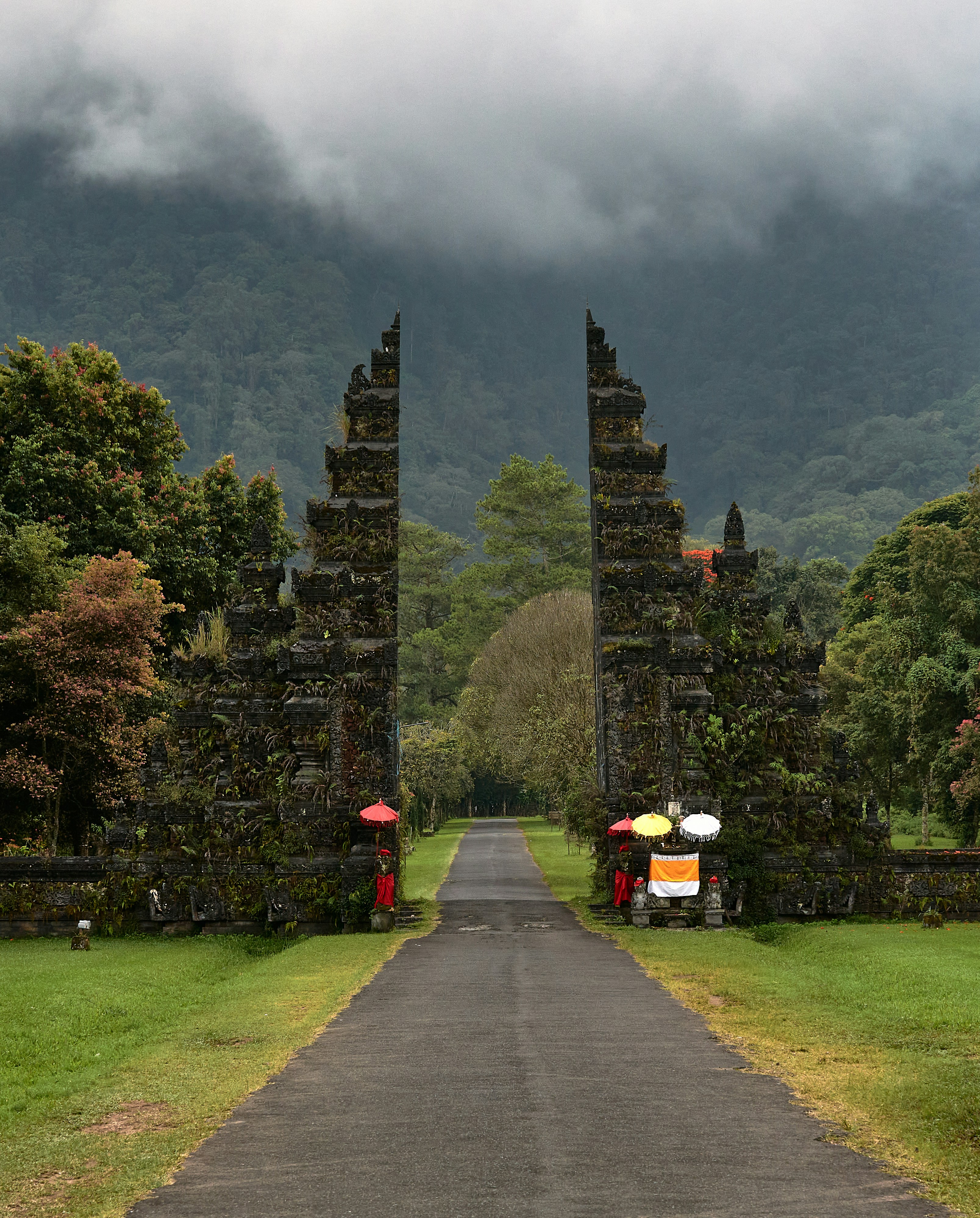
The coconut trees of Bali represent a remarkable intersection of ecological adaptation and cultural landscape engineering, revealing profound human interventions in natural ecosystems, temple, grove.
The Architectural Precision of Balinese Coconut Cultivation
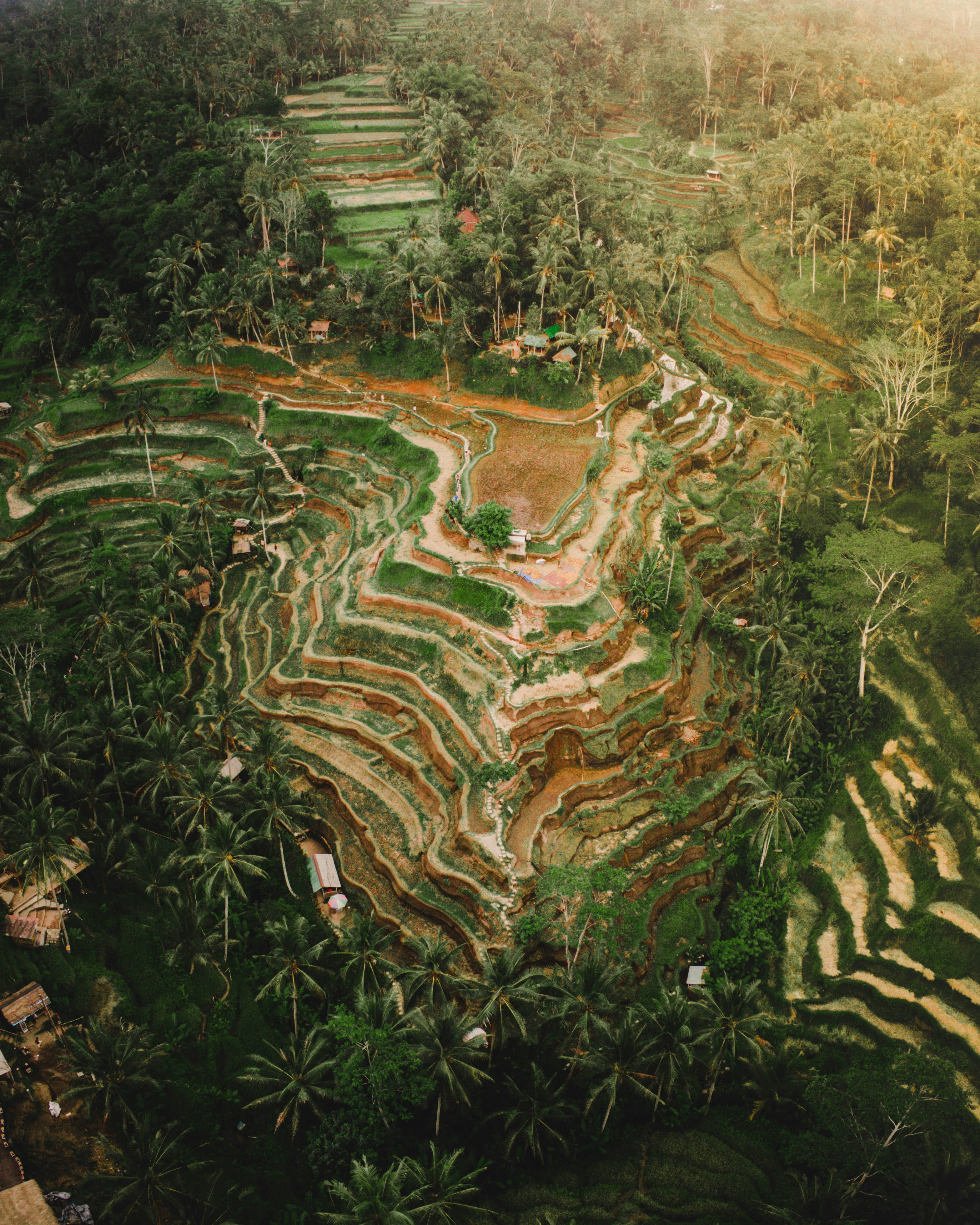
Bali's coconut tree landscapes emerge as extraordinary examples of human-guided ecological design, where agricultural practices transcend mere food production to become sophisticated cultural expressions.
The distinctive silhouettes of these trees reflect generations of careful cultivation, combining practical agricultural needs with spiritual and aesthetic considerations unique to Hindu Balinese culture.
The largest remaining population of endangered African savanna elephants roams throughout the region encompassed by ReconAfrica’s licenses, granted by the governments of Namibia and Botswana.
Photo: Liam Greenwood
The largest remaining population of endangered African savanna elephants roams throughout the region encompassed by ReconAfrica’s licenses, granted by the governments of Namibia and Botswana.
Photo: Liam Greenwood
The largest remaining population of endangered African savanna elephants roams throughout the region encompassed by ReconAfrica’s licenses, granted by the governments of Namibia and Botswana.
Photo: Liam Greenwood
The largest remaining population of endangered African savanna elephants roams throughout the region encompassed by ReconAfrica’s licenses, granted by the governments of Namibia and Botswana.
Photo: Liam Greenwood
The largest remaining population of endangered African savanna elephants roams throughout the region encompassed by ReconAfrica’s licenses, granted by the governments of Namibia and Botswana.
Photo: Liam Greenwood
The largest remaining population of endangered African savanna elephants roams throughout the region encompassed by ReconAfrica’s licenses, granted by the governments of Namibia and Botswana.
Photo: Liam Greenwood
Historical Context of Coconut Tree Management
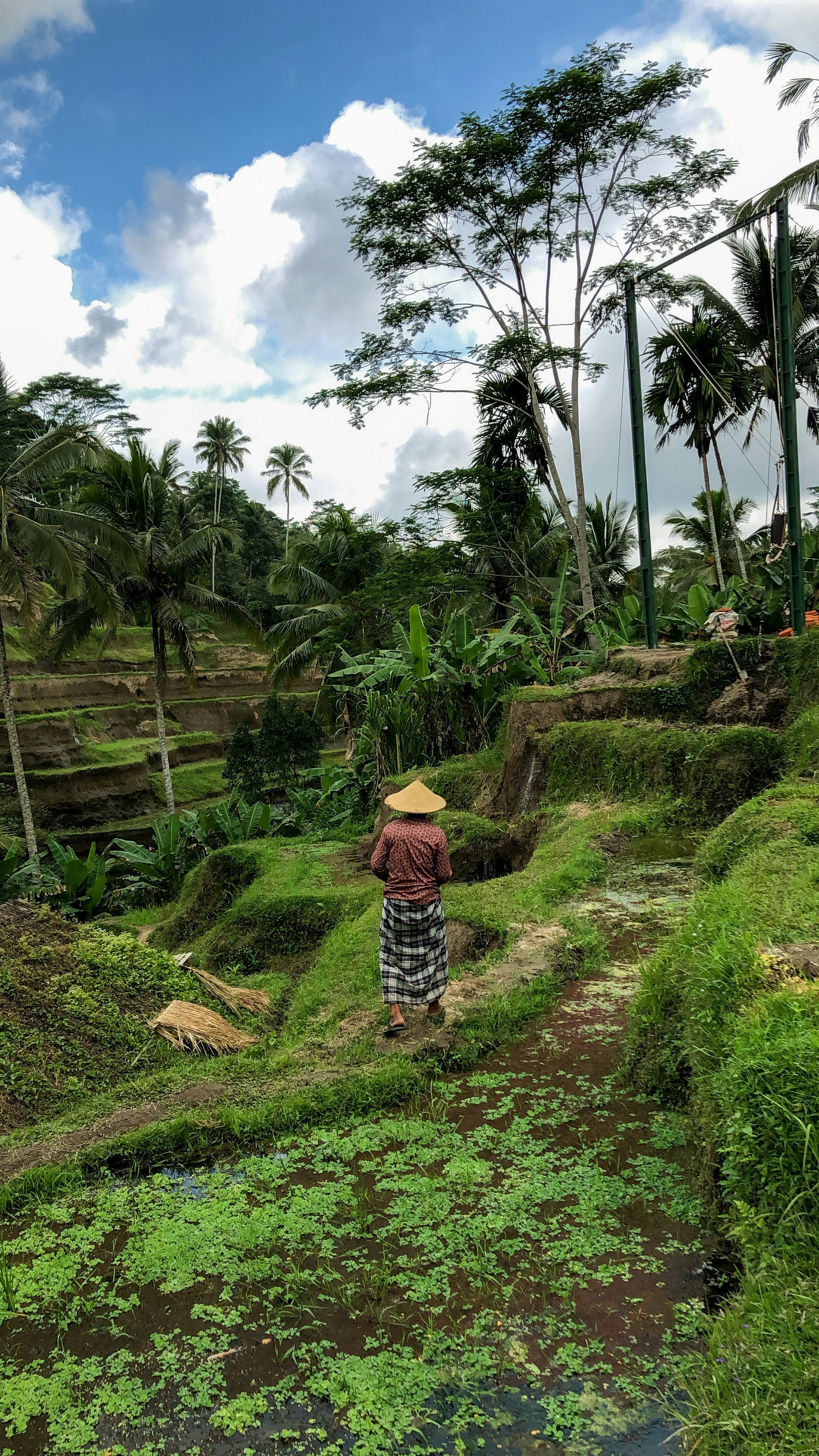
Traditional Balinese agricultural systems have developed intricate methods of coconut tree cultivation that optimize spatial relationships, sunlight exposure, and productive capacity.
These techniques involve precise pruning, strategic planting distances, and careful management of tree growth, creating landscapes that are both functionally efficient and visually harmonious.
Contemporary conservation approaches are increasingly focusing on preserving both the biological diversity and the cultural knowledge embedded in these extraordinary tree formations.
The largest remaining population of endangered African savanna elephants roams throughout the region encompassed by ReconAfrica’s licenses, granted by the governments of Namibia and Botswana.
Photo: Liam Greenwood
The largest remaining population of endangered African savanna elephants roams throughout the region encompassed by ReconAfrica’s licenses, granted by the governments of Namibia and Botswana.
Photo: Liam Greenwood
The largest remaining population of endangered African savanna elephants roams throughout the region encompassed by ReconAfrica’s licenses, granted by the governments of Namibia and Botswana.
Photo: Liam Greenwood
The largest remaining population of endangered African savanna elephants roams throughout the region encompassed by ReconAfrica’s licenses, granted by the governments of Namibia and Botswana.
Photo: Liam Greenwood
The largest remaining population of endangered African savanna elephants roams throughout the region encompassed by ReconAfrica’s licenses, granted by the governments of Namibia and Botswana.
Photo: Liam Greenwood
The largest remaining population of endangered African savanna elephants roams throughout the region encompassed by ReconAfrica’s licenses, granted by the governments of Namibia and Botswana.
Photo: Liam Greenwood
Ecological and Cultural Significance
The coconut trees in Bali represent more than agricultural resources—they are living components of a complex cultural ecosystem. Their carefully sculpted forms embody philosophical principles of balance, interconnectedness, and sustainable resource management deeply rooted in Hindu Balinese worldviews.
Each tree becomes a testament to the delicate negotiation between human intention and natural growth processes.
Contemporary Challenges and Conservation Strategies
Modern environmental pressures challenge traditional coconut tree management practices. Climate change, urbanization, and shifting agricultural economies threaten the intricate ecological-cultural systems that have sustained these unique landscapes for generations.
Contemporary conservation approaches are increasingly focusing on preserving both the biological diversity and the cultural knowledge embedded in these extraordinary tree formations.
Conclusion
The human-influenced coconut tree silhouettes of Bali stand as powerful symbols of the profound dialogue between human creativity and natural systems. They challenge conventional understandings of agriculture, revealing landscapes as dynamic, co-created environments where culture and ecology are inextricably intertwined. Preserving these unique botanical expressions is crucial for maintaining the rich tapestry of Balinese ecological and cultural heritage.
Enjoyed reading this post?
Share it!
Liam Greenwood is an innovative restoration ecologist committed to healing damaged landscapes and rebuilding complex ecological systems. Specializing in urban and industrial site rehabilitation, he develops cutting-edge techniques for soil restoration, native species reintroduction, and ecosystem regeneration. With a master's degree in Environmental Science, Liam has worked on critical projects ranging from brownfield transformations to coral reef restoration.
Liam Greenwood is an innovative restoration ecologist committed to healing damaged landscapes and rebuilding complex ecological systems. Specializing in urban and industrial site rehabilitation, he develops cutting-edge techniques for soil restoration, native species reintroduction, and ecosystem regeneration. With a master's degree in Environmental Science, Liam has worked on critical projects ranging from brownfield transformations to coral reef restoration.
Liam Greenwood is an innovative restoration ecologist committed to healing damaged landscapes and rebuilding complex ecological systems. Specializing in urban and industrial site rehabilitation, he develops cutting-edge techniques for soil restoration, native species reintroduction, and ecosystem regeneration. With a master's degree in Environmental Science, Liam has worked on critical projects ranging from brownfield transformations to coral reef restoration.
Liam Greenwood is an innovative restoration ecologist committed to healing damaged landscapes and rebuilding complex ecological systems. Specializing in urban and industrial site rehabilitation, he develops cutting-edge techniques for soil restoration, native species reintroduction, and ecosystem regeneration. With a master's degree in Environmental Science, Liam has worked on critical projects ranging from brownfield transformations to coral reef restoration.