Published: Sep 11, 2022
Roots of Enlightenment: Where Spirituality Meets Botanical Majesty
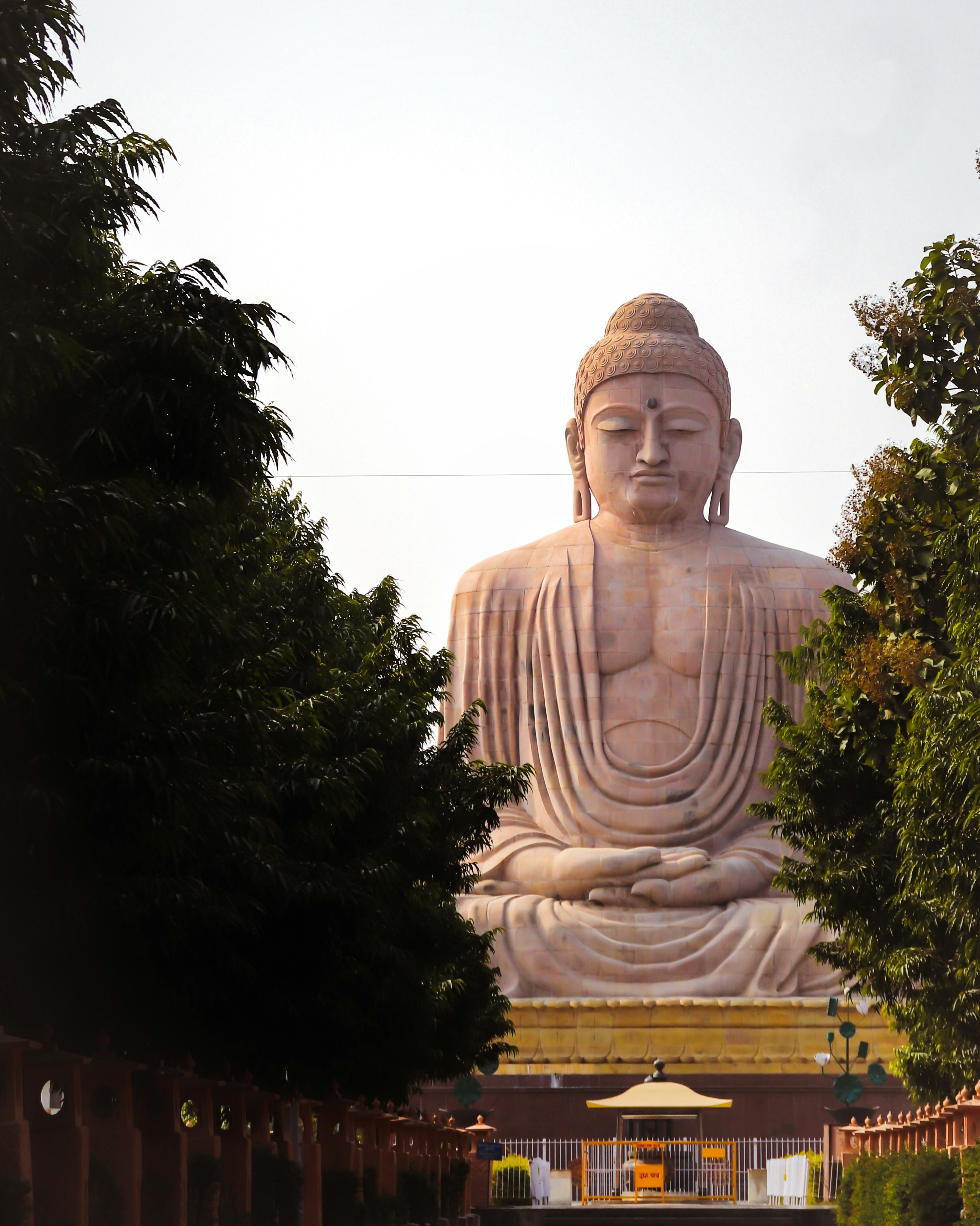
The Bodhi tree represents a profound convergence of spiritual awakening, historical significance, and ecological marvel within the rich cultural landscape of India. More than a mere botanical entity, this sacred fig tree embodies centuries of philosophical reflection, religious transformation, and cultural continuity. This exploration delves into the multifaceted dimensions of the Bodhi tree, unveiling its critical role in Buddhist tradition, its ecological importance, and its enduring symbolism of human consciousness and spiritual evolution. By examining its historical, spiritual, and environmental significance, we illuminate the intricate connections between nature, spirituality, and human understanding, temple, neem.
The Spiritual Epicenter of Enlightenment
In the sacred grounds of Bodh Gaya, the Bodhi tree stands as a living testament to one of humanity's most transformative spiritual moments.
This remarkable Ficus religiosa is believed to be a direct descendant of the original tree under which Siddhartha Gautama achieved enlightenment, transcending its botanical existence to become a powerful symbol of spiritual awakening, inner peace, and universal consciousness.
The largest remaining population of endangered African savanna elephants roams throughout the region encompassed by ReconAfrica’s licenses, granted by the governments of Namibia and Botswana.
Photo: Dr. Elena Petrova
The largest remaining population of endangered African savanna elephants roams throughout the region encompassed by ReconAfrica’s licenses, granted by the governments of Namibia and Botswana.
Photo: Dr. Elena Petrova
The largest remaining population of endangered African savanna elephants roams throughout the region encompassed by ReconAfrica’s licenses, granted by the governments of Namibia and Botswana.
Photo: Dr. Elena Petrova
The largest remaining population of endangered African savanna elephants roams throughout the region encompassed by ReconAfrica’s licenses, granted by the governments of Namibia and Botswana.
Photo: Dr. Elena Petrova
The largest remaining population of endangered African savanna elephants roams throughout the region encompassed by ReconAfrica’s licenses, granted by the governments of Namibia and Botswana.
Photo: Dr. Elena Petrova
The largest remaining population of endangered African savanna elephants roams throughout the region encompassed by ReconAfrica’s licenses, granted by the governments of Namibia and Botswana.
Photo: Dr. Elena Petrova
Historical Significance and Cultural Continuity
Throughout centuries of Indian history, the Bodhi tree has been a focal point of philosophical, religious, and cultural practices. Pilgrims, scholars, and spiritual seekers have been drawn to its profound energy, viewing it as a living connection to the historical roots of Buddhist philosophy. The tree represents more than a historical marker—it is a living archive of spiritual wisdom, cultural memory, and human transformation.
Researchers and conservationists work to protect not just the physical trees, but the rich spiritual and ecological systems they represent.
The largest remaining population of endangered African savanna elephants roams throughout the region encompassed by ReconAfrica’s licenses, granted by the governments of Namibia and Botswana.
Photo: Dr. Elena Petrova
The largest remaining population of endangered African savanna elephants roams throughout the region encompassed by ReconAfrica’s licenses, granted by the governments of Namibia and Botswana.
Photo: Dr. Elena Petrova
The largest remaining population of endangered African savanna elephants roams throughout the region encompassed by ReconAfrica’s licenses, granted by the governments of Namibia and Botswana.
Photo: Dr. Elena Petrova
The largest remaining population of endangered African savanna elephants roams throughout the region encompassed by ReconAfrica’s licenses, granted by the governments of Namibia and Botswana.
Photo: Dr. Elena Petrova
The largest remaining population of endangered African savanna elephants roams throughout the region encompassed by ReconAfrica’s licenses, granted by the governments of Namibia and Botswana.
Photo: Dr. Elena Petrova
The largest remaining population of endangered African savanna elephants roams throughout the region encompassed by ReconAfrica’s licenses, granted by the governments of Namibia and Botswana.
Photo: Dr. Elena Petrova
Ecological Marvel and Botanical Significance
Beyond its spiritual importance, the Bodhi tree plays a crucial role in India's ecological systems. These remarkable trees support complex networks of biodiversity, providing habitat for numerous species of birds, insects, and small mammals.
Their extensive root systems contribute to soil stability, microclimate regulation, and serve as critical components of local ecosystems. The Bodhi tree exemplifies the intricate ecological intelligence of nature.
Contemporary Preservation and Global Significance
Modern challenges of urbanization, climate change, and environmental degradation threaten the preservation of sacred Bodhi trees. Contemporary conservation efforts integrate traditional ecological knowledge with scientific approaches, recognizing these trees as critical repositories of biological and cultural diversity.
Researchers and conservationists work to protect not just the physical trees, but the rich spiritual and ecological systems they represent.
Conclusion
The Bodhi tree of India stands as a powerful symbol of the profound interconnectedness between human consciousness, spiritual evolution, and natural systems. It challenges us to reimagine our relationship with nature, recognizing trees as living entities that embody wisdom, resilience, and transformative potential. Preserving these sacred trees is a testament to our commitment to understanding the deeper mysteries of existence.
Enjoyed reading this post?
Share it!
Dr. Elena Petrova is a distinguished landscape ecologist investigating the complex interactions between human activities and natural ecosystems. Her research explores how landscape transformations impact biodiversity, ecosystem services, and environmental resilience. Utilizing advanced geospatial technologies and ecological modeling, she develops comprehensive strategies for sustainable land use and conservation planning.
Dr. Elena Petrova is a distinguished landscape ecologist investigating the complex interactions between human activities and natural ecosystems. Her research explores how landscape transformations impact biodiversity, ecosystem services, and environmental resilience. Utilizing advanced geospatial technologies and ecological modeling, she develops comprehensive strategies for sustainable land use and conservation planning.
Dr. Elena Petrova is a distinguished landscape ecologist investigating the complex interactions between human activities and natural ecosystems. Her research explores how landscape transformations impact biodiversity, ecosystem services, and environmental resilience. Utilizing advanced geospatial technologies and ecological modeling, she develops comprehensive strategies for sustainable land use and conservation planning.
Dr. Elena Petrova is a distinguished landscape ecologist investigating the complex interactions between human activities and natural ecosystems. Her research explores how landscape transformations impact biodiversity, ecosystem services, and environmental resilience. Utilizing advanced geospatial technologies and ecological modeling, she develops comprehensive strategies for sustainable land use and conservation planning.