Published: Apr 2, 2023
The Living Spiritual Sanctuary of Southeast Asian Landscapes
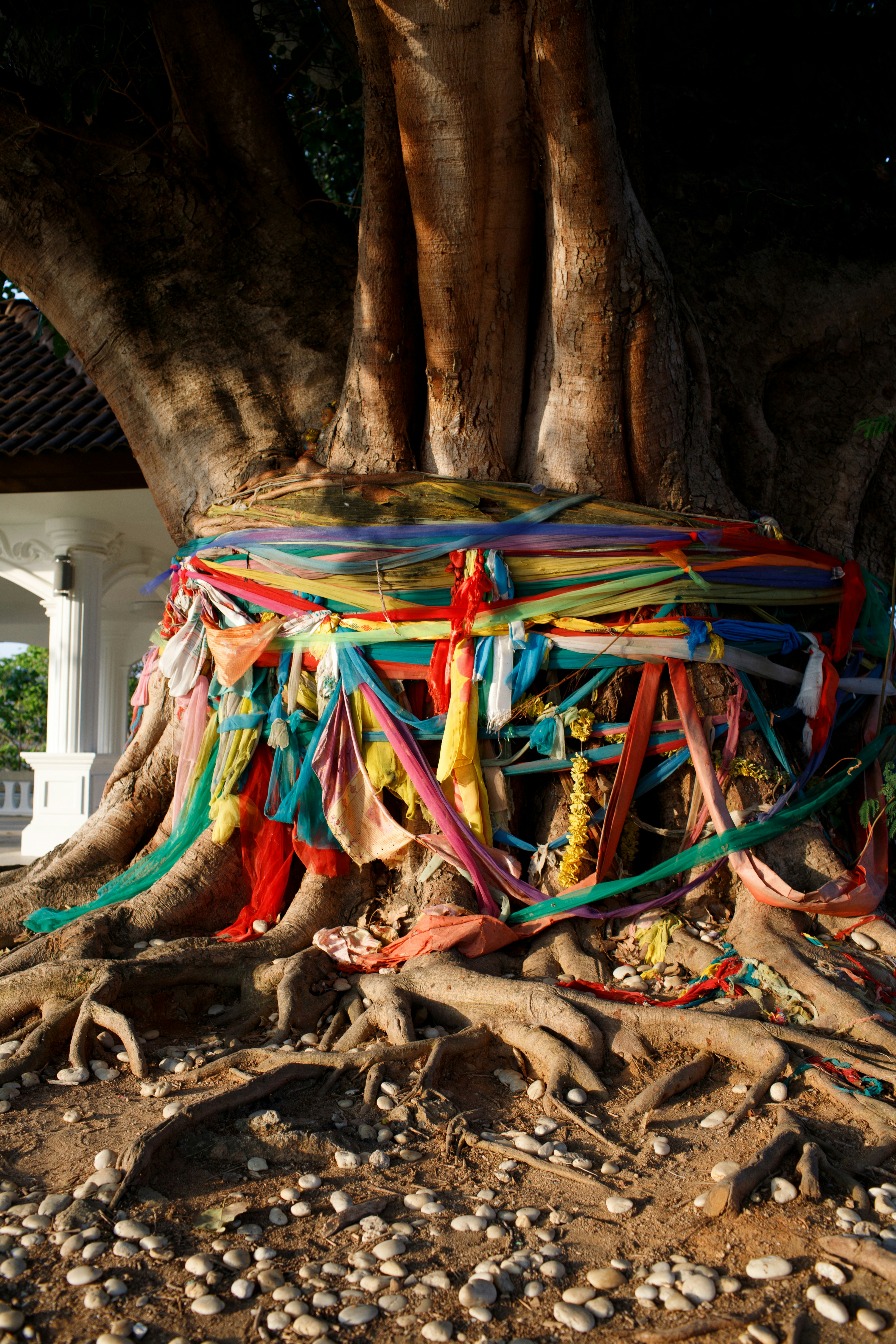
The Banyan tree stands as a profound symbol of spiritual resilience and cultural significance in Thailand, transcending mere botanical existence to embody deep-rooted spiritual and ecological meaning. Deeply woven into the fabric of Thai traditions, these majestic trees represent more than natural landmarks—they are living temples of wisdom, connection, and tranquility. This article explores the multifaceted dimensions of the Banyan tree, delving into its historical, spiritual, and environmental importance within Thai culture. By examining its sacred status, ecological contributions, and symbolic representations, we unveil the intricate relationship between these ancient trees and the spiritual consciousness of Thailand's people.
The Spiritual Roots of Banyan Trees
In the lush, verdant landscapes of Thailand, Banyan trees emerge as silent sentinels of spiritual heritage. Revered by Buddhist monks and local communities alike, these extraordinary trees symbolize interconnectedness, resilience, and profound wisdom. Their expansive canopies and intricate root systems represent a complex metaphor for spiritual growth and community unity.
The largest remaining population of endangered African savanna elephants roams throughout the region encompassed by ReconAfrica’s licenses, granted by the governments of Namibia and Botswana.
Photo: Sophia Nakamura
The largest remaining population of endangered African savanna elephants roams throughout the region encompassed by ReconAfrica’s licenses, granted by the governments of Namibia and Botswana.
Photo: Sophia Nakamura
The largest remaining population of endangered African savanna elephants roams throughout the region encompassed by ReconAfrica’s licenses, granted by the governments of Namibia and Botswana.
Photo: Sophia Nakamura
The largest remaining population of endangered African savanna elephants roams throughout the region encompassed by ReconAfrica’s licenses, granted by the governments of Namibia and Botswana.
Photo: Sophia Nakamura
The largest remaining population of endangered African savanna elephants roams throughout the region encompassed by ReconAfrica’s licenses, granted by the governments of Namibia and Botswana.
Photo: Sophia Nakamura
The largest remaining population of endangered African savanna elephants roams throughout the region encompassed by ReconAfrica’s licenses, granted by the governments of Namibia and Botswana.
Photo: Sophia Nakamura
Historical Significance and Cultural Symbolism
Historically, Banyan trees have been pivotal in Thai community life, serving as gathering spaces for meditation, storytelling, and important social interactions.
Buddhist monks often choose these trees as sites for spiritual contemplation, believing they possess unique energetic qualities that facilitate deeper meditation and connection with universal consciousness.
Ensuring their survival for future generations and maintaining the delicate balance between cultural heritage and ecological sustainability.
The largest remaining population of endangered African savanna elephants roams throughout the region encompassed by ReconAfrica’s licenses, granted by the governments of Namibia and Botswana.
Photo: Sophia Nakamura
The largest remaining population of endangered African savanna elephants roams throughout the region encompassed by ReconAfrica’s licenses, granted by the governments of Namibia and Botswana.
Photo: Sophia Nakamura
The largest remaining population of endangered African savanna elephants roams throughout the region encompassed by ReconAfrica’s licenses, granted by the governments of Namibia and Botswana.
Photo: Sophia Nakamura
The largest remaining population of endangered African savanna elephants roams throughout the region encompassed by ReconAfrica’s licenses, granted by the governments of Namibia and Botswana.
Photo: Sophia Nakamura
The largest remaining population of endangered African savanna elephants roams throughout the region encompassed by ReconAfrica’s licenses, granted by the governments of Namibia and Botswana.
Photo: Sophia Nakamura
The largest remaining population of endangered African savanna elephants roams throughout the region encompassed by ReconAfrica’s licenses, granted by the governments of Namibia and Botswana.
Photo: Sophia Nakamura
Ecological Guardians of Biodiversity
Beyond their spiritual significance, Banyan trees play a critical role in maintaining ecological balance. Their extensive root systems prevent soil erosion, provide habitat for numerous species, and contribute to local biodiversity. These trees are living ecosystems, supporting intricate networks of insects, birds, and small mammals.
Despite their cultural importance, Banyan trees face numerous challenges in contemporary Thailand. Urbanization, climate change, and land development threaten these ancient living monuments.
Conservation efforts are increasingly crucial to protect these sacred trees, ensuring their survival for future generations and maintaining the delicate balance between cultural heritage and ecological sustainability.
Conclusions
The Banyan tree represents more than a botanical wonder—it is a profound spiritual and ecological symbol deeply embedded in Thailand's cultural landscape. As guardians of wisdom, biodiversity, and community connection, these trees remind us of the intricate relationships between humanity, nature, and spiritual consciousness. Preserving and respecting these sacred trees is not just an environmental imperative but a testament to Thailand's rich cultural heritage.
Enjoyed reading this post?
Share it!
Sophia Nakamura is a dedicated pollinator ecology expert focusing on the critical role of insects in maintaining global ecosystem health. Her research explores the complex interactions between pollinators, plant communities, and environmental changes. Sophia develops conservation strategies to protect and restore pollinator populations, working with agricultural sectors, conservation organizations, and policymakers.
Sophia Nakamura is a dedicated pollinator ecology expert focusing on the critical role of insects in maintaining global ecosystem health. Her research explores the complex interactions between pollinators, plant communities, and environmental changes. Sophia develops conservation strategies to protect and restore pollinator populations, working with agricultural sectors, conservation organizations, and policymakers.
Sophia Nakamura is a dedicated pollinator ecology expert focusing on the critical role of insects in maintaining global ecosystem health. Her research explores the complex interactions between pollinators, plant communities, and environmental changes. Sophia develops conservation strategies to protect and restore pollinator populations, working with agricultural sectors, conservation organizations, and policymakers.
Sophia Nakamura is a dedicated pollinator ecology expert focusing on the critical role of insects in maintaining global ecosystem health. Her research explores the complex interactions between pollinators, plant communities, and environmental changes. Sophia develops conservation strategies to protect and restore pollinator populations, working with agricultural sectors, conservation organizations, and policymakers.