Published: Mar 7, 2023
Guardians of Ecological and Spiritual Heritage
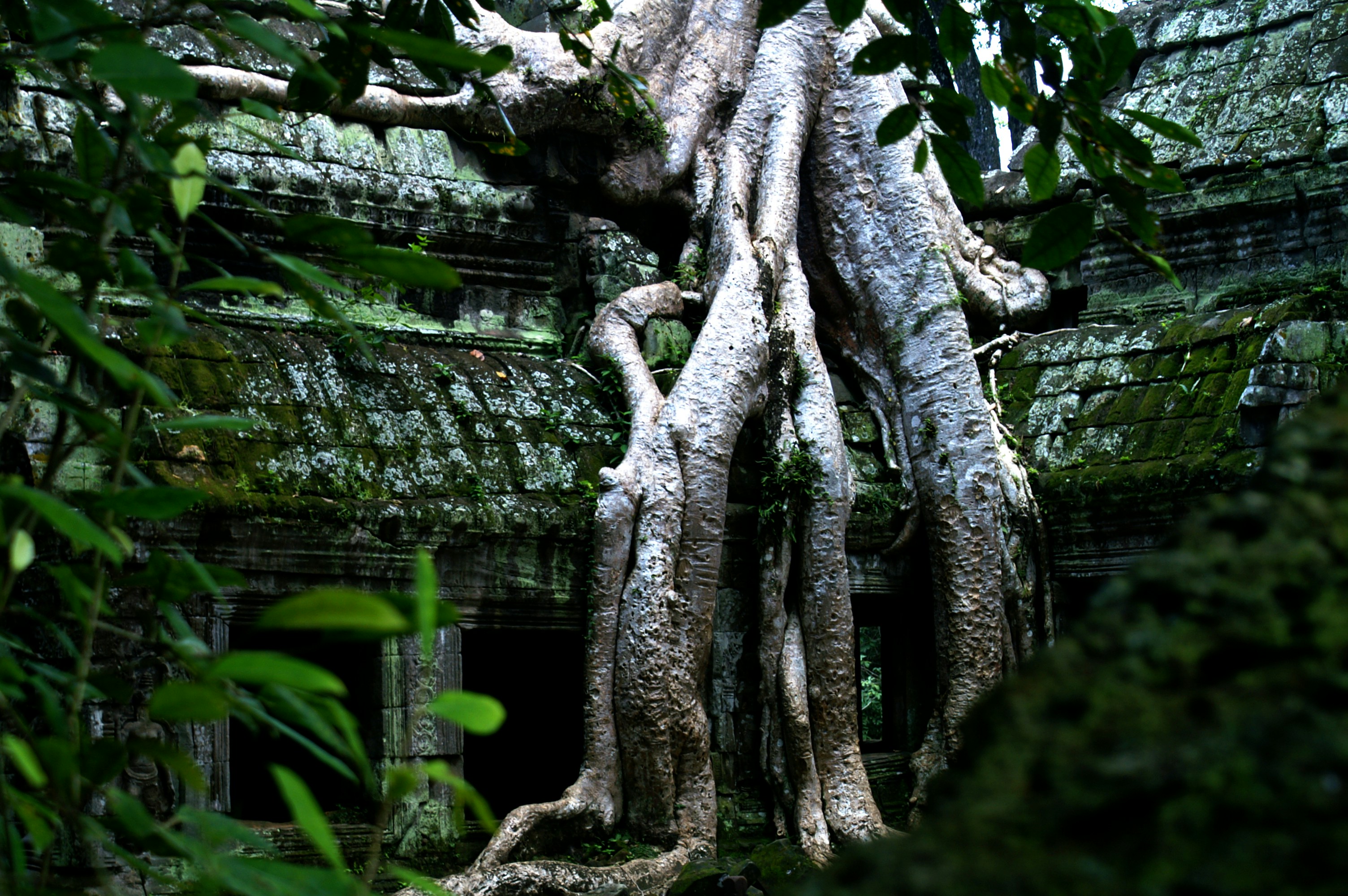
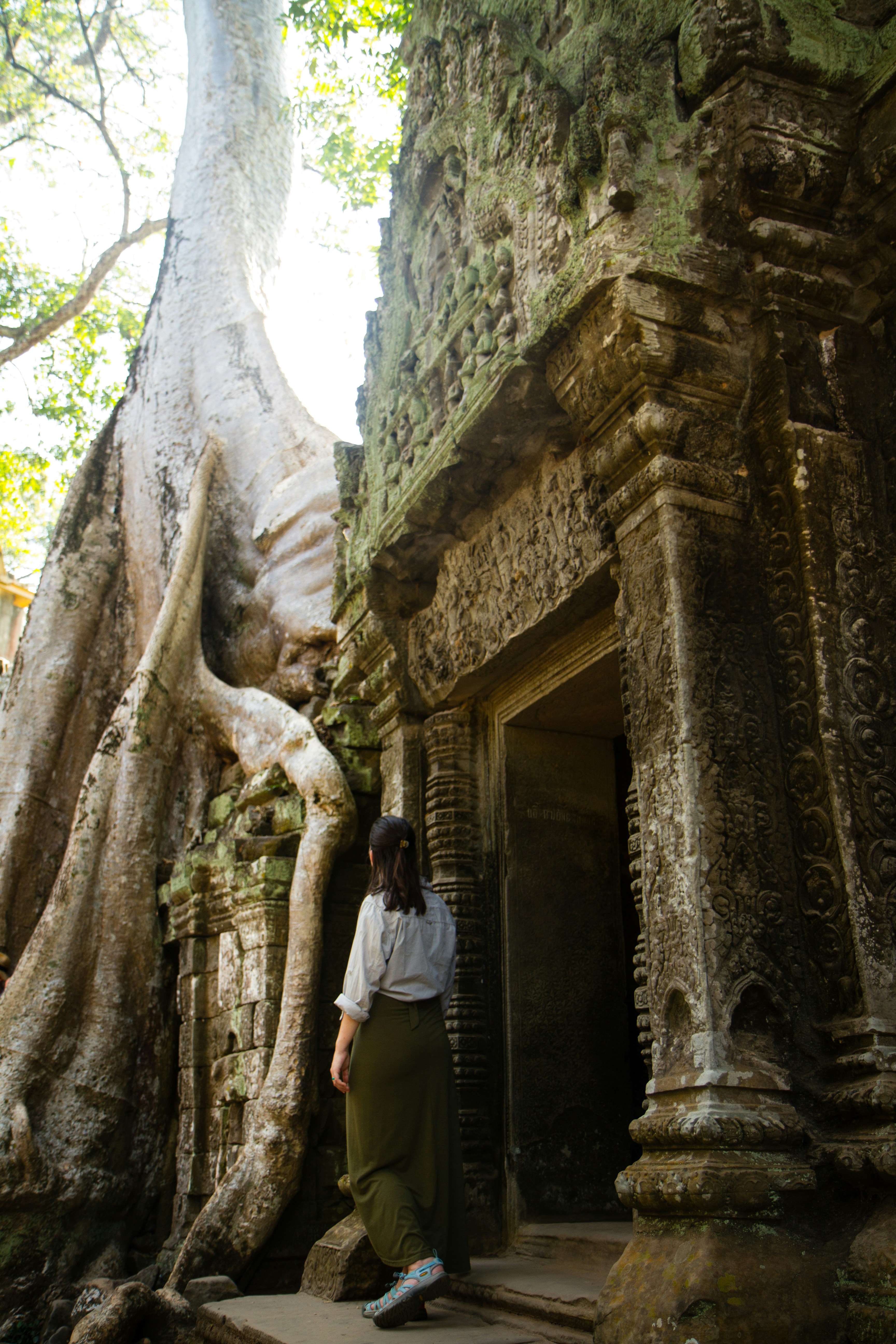
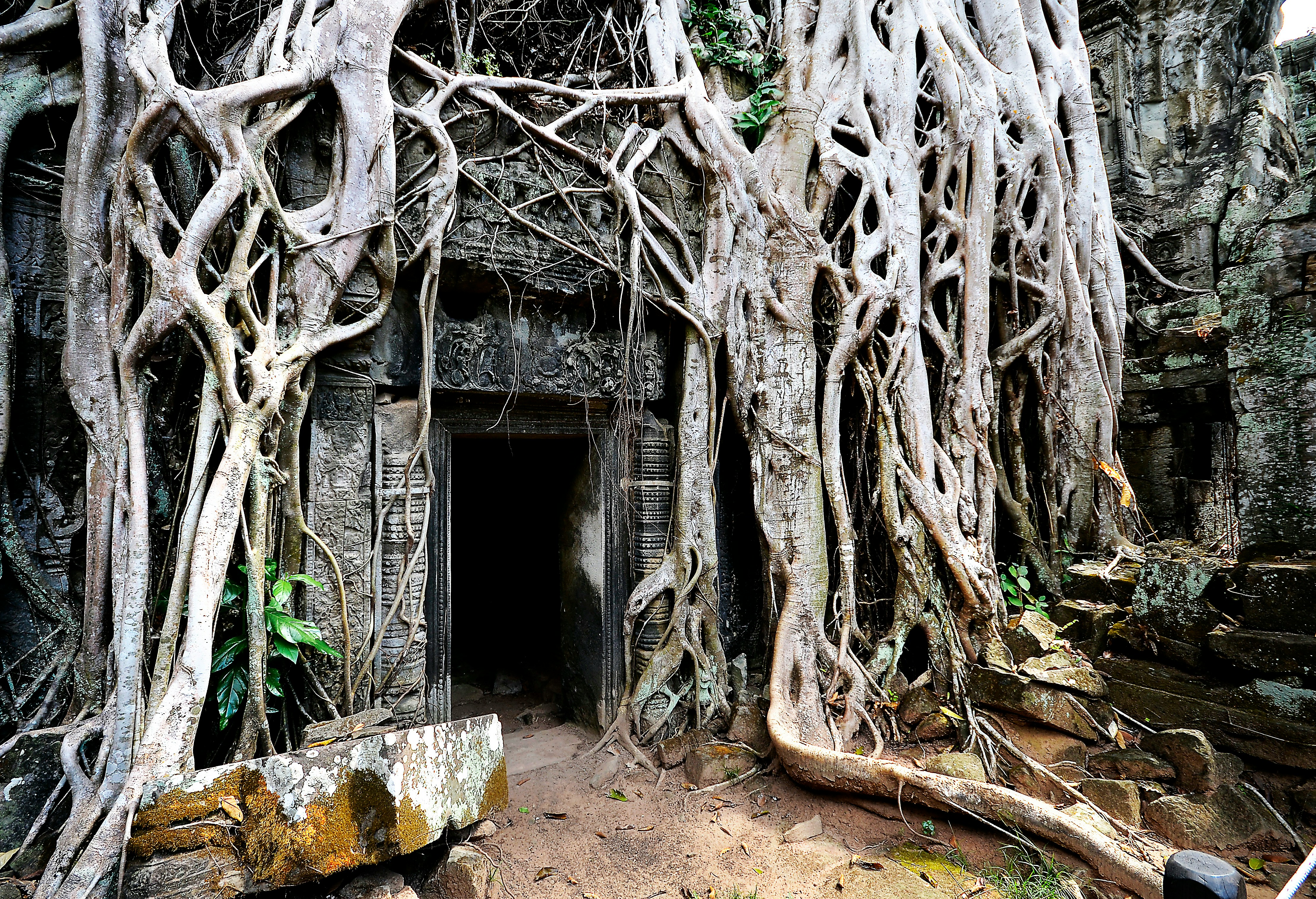
Cambodia's sacred Banyan trees represent a profound intersection of ecological conservation, spiritual tradition, and cultural preservation. These magnificent trees stand as living monuments, embodying centuries of environmental and cultural significance that extend far beyond their botanical characteristics. This exploration delves into the complex ecosystem of Banyan conservation, revealing the intricate relationships between local communities, spiritual practices, and environmental stewardship. By examining the historical, ecological, and cultural dimensions of these sacred trees, we uncover the critical role they play in Cambodia's natural and cultural landscape, highlighting the urgent need for comprehensive conservation strategies, temple.
Spiritual Roots of Cambodia's Banyan Legacy
In the verdant landscapes of Cambodia, Banyan trees emerge as powerful symbols of spiritual resilience and ecological wisdom.
Deeply rooted in Khmer culture, these trees transcend their natural existence, serving as living temples that connect local communities with their ancestral heritage.
Buddhist monks and traditional healers have long revered these trees as sacred spaces of meditation, healing, and spiritual reflection.
The largest remaining population of endangered African savanna elephants roams throughout the region encompassed by ReconAfrica’s licenses, granted by the governments of Namibia and Botswana.
Photo: Jackson Wright
The largest remaining population of endangered African savanna elephants roams throughout the region encompassed by ReconAfrica’s licenses, granted by the governments of Namibia and Botswana.
Photo: Jackson Wright
The largest remaining population of endangered African savanna elephants roams throughout the region encompassed by ReconAfrica’s licenses, granted by the governments of Namibia and Botswana.
Photo: Jackson Wright
The largest remaining population of endangered African savanna elephants roams throughout the region encompassed by ReconAfrica’s licenses, granted by the governments of Namibia and Botswana.
Photo: Jackson Wright
The largest remaining population of endangered African savanna elephants roams throughout the region encompassed by ReconAfrica’s licenses, granted by the governments of Namibia and Botswana.
Photo: Jackson Wright
The largest remaining population of endangered African savanna elephants roams throughout the region encompassed by ReconAfrica’s licenses, granted by the governments of Namibia and Botswana.
Photo: Jackson Wright
Historical Significance and Cultural Symbolism
Throughout Cambodian history, Banyan trees have been integral to community life, functioning as natural gathering spaces that facilitate social interactions, cultural ceremonies, and spiritual practices.
Their expansive canopies and complex root systems metaphorically represent the interconnectedness of community, nature, and spiritual consciousness. Ancient Khmer traditions view these trees as repositories of collective memory and wisdom.
Conservation efforts have emerged as critical strategies, involving local communities, environmental organizations, and governmental bodies in comprehensive protection and restoration initiatives.
The largest remaining population of endangered African savanna elephants roams throughout the region encompassed by ReconAfrica’s licenses, granted by the governments of Namibia and Botswana.
Photo: Jackson Wright
The largest remaining population of endangered African savanna elephants roams throughout the region encompassed by ReconAfrica’s licenses, granted by the governments of Namibia and Botswana.
Photo: Jackson Wright
The largest remaining population of endangered African savanna elephants roams throughout the region encompassed by ReconAfrica’s licenses, granted by the governments of Namibia and Botswana.
Photo: Jackson Wright
The largest remaining population of endangered African savanna elephants roams throughout the region encompassed by ReconAfrica’s licenses, granted by the governments of Namibia and Botswana.
Photo: Jackson Wright
The largest remaining population of endangered African savanna elephants roams throughout the region encompassed by ReconAfrica’s licenses, granted by the governments of Namibia and Botswana.
Photo: Jackson Wright
The largest remaining population of endangered African savanna elephants roams throughout the region encompassed by ReconAfrica’s licenses, granted by the governments of Namibia and Botswana.
Photo: Jackson Wright
Ecological Guardians of Biodiversity
Beyond their cultural importance, Banyan trees play a crucial role in maintaining ecological balance in Cambodia's diverse ecosystems. Their extensive root systems prevent soil erosion, provide critical habitats for numerous species, and contribute significantly to local biodiversity.
These living monuments support intricate networks of wildlife, functioning as essential ecological infrastructure in both rural and urban landscapes.
Conservation Challenges and Modern Initiatives
Contemporary Cambodia faces significant challenges in preserving its sacred Banyan trees. Rapid urbanization, agricultural expansion, and climate change threaten these ancient living monuments.
Conservation efforts have emerged as critical strategies, involving local communities, environmental organizations, and governmental bodies in comprehensive protection and restoration initiatives.
Conclusions
The sacred Banyan trees of Cambodia represent a delicate balance between ecological preservation and cultural heritage. They stand as powerful symbols of resilience, wisdom, and interconnectedness, challenging modern societies to recognize the profound relationships between humanity and nature. Protecting these trees is not merely an environmental imperative but a commitment to preserving the rich spiritual and ecological legacy of Cambodia.
Enjoyed reading this post?
Share it!
Jackson Wright is an innovative grassland ecosystem specialist focusing on prairie conservation, restoration, and sustainable land management. With expertise in fire ecology, native plant restoration, and ecosystem dynamics, he has developed groundbreaking techniques for rehabilitating degraded grassland environments. Jackson works closely with agricultural communities, conservation organizations, and government agencies to implement holistic ecosystem management strategies.
Jackson Wright is an innovative grassland ecosystem specialist focusing on prairie conservation, restoration, and sustainable land management. With expertise in fire ecology, native plant restoration, and ecosystem dynamics, he has developed groundbreaking techniques for rehabilitating degraded grassland environments. Jackson works closely with agricultural communities, conservation organizations, and government agencies to implement holistic ecosystem management strategies.
Jackson Wright is an innovative grassland ecosystem specialist focusing on prairie conservation, restoration, and sustainable land management. With expertise in fire ecology, native plant restoration, and ecosystem dynamics, he has developed groundbreaking techniques for rehabilitating degraded grassland environments. Jackson works closely with agricultural communities, conservation organizations, and government agencies to implement holistic ecosystem management strategies.
Jackson Wright is an innovative grassland ecosystem specialist focusing on prairie conservation, restoration, and sustainable land management. With expertise in fire ecology, native plant restoration, and ecosystem dynamics, he has developed groundbreaking techniques for rehabilitating degraded grassland environments. Jackson works closely with agricultural communities, conservation organizations, and government agencies to implement holistic ecosystem management strategies.